
Emotional Regulation Illustration: Visualizing Stability and Calm

Calm is hard to draw because it isn’t just happiness. Find out how emotional regulation illustration uses structure, symmetry and metaphor to show balance.
Custom Product Illustration: Why Tailored Art Wins
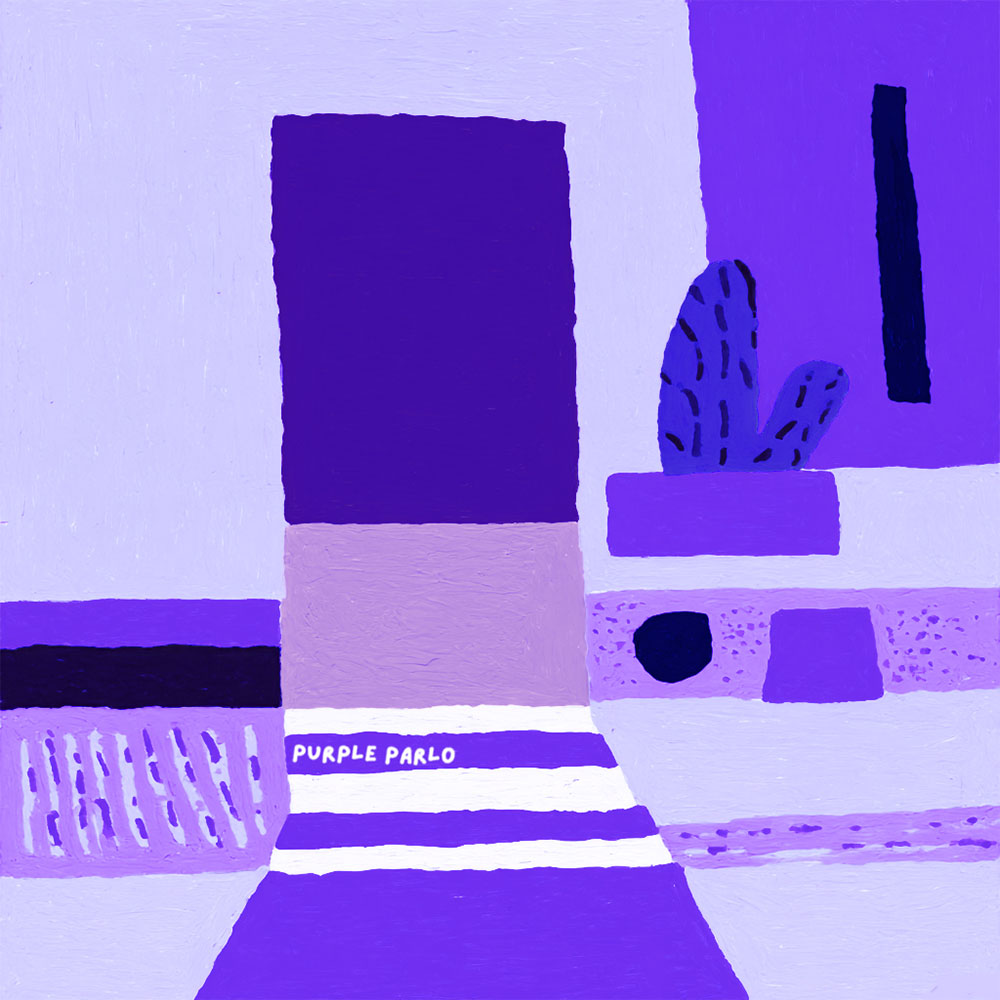
Shelves and online shops are full of the same stock vectors. Custom product illustration gives a brand art that nobody else has. Find out why it pays off.
OCD Illustration: Making Intrusive Thoughts Visible
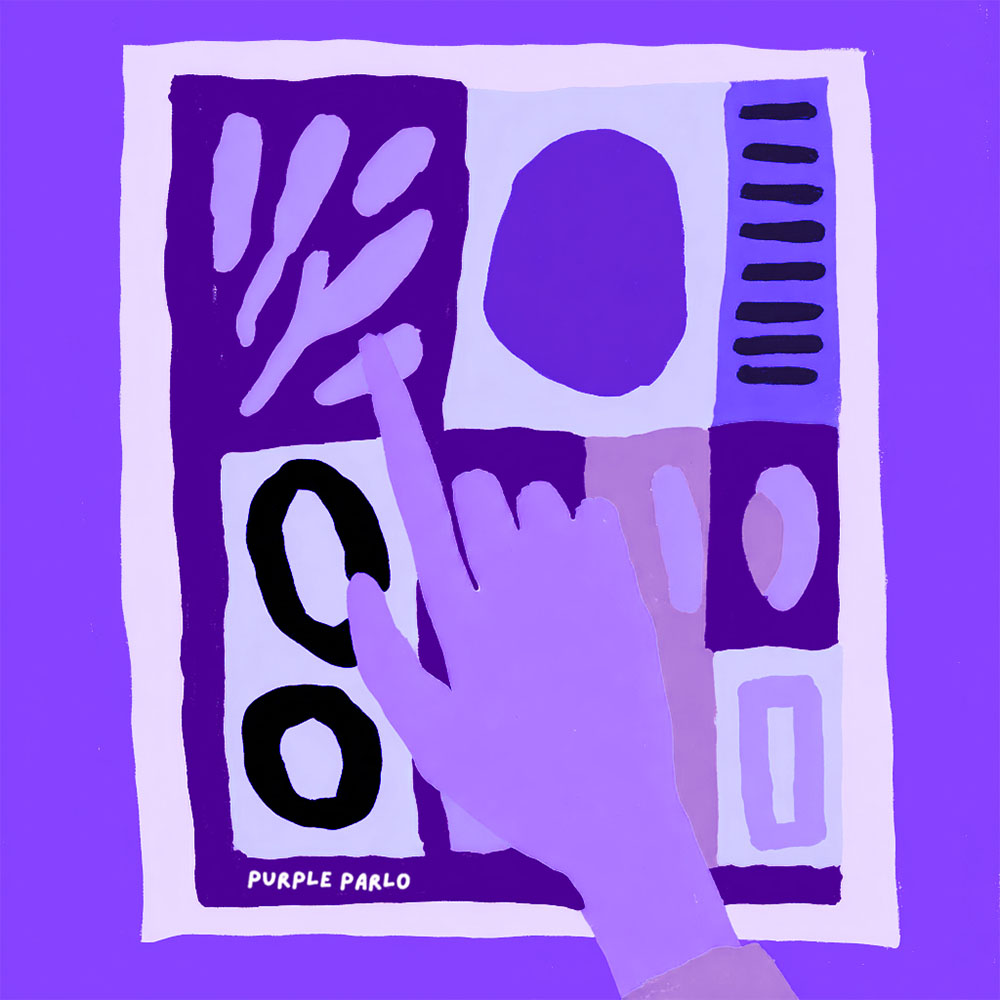
Intrusive thoughts are hard to explain and easy to misunderstand. OCD illustration turns the loop of thoughts and compulsions into images people recognise.
Pixel-Perfect Product Illustration: From Sketch to Stock
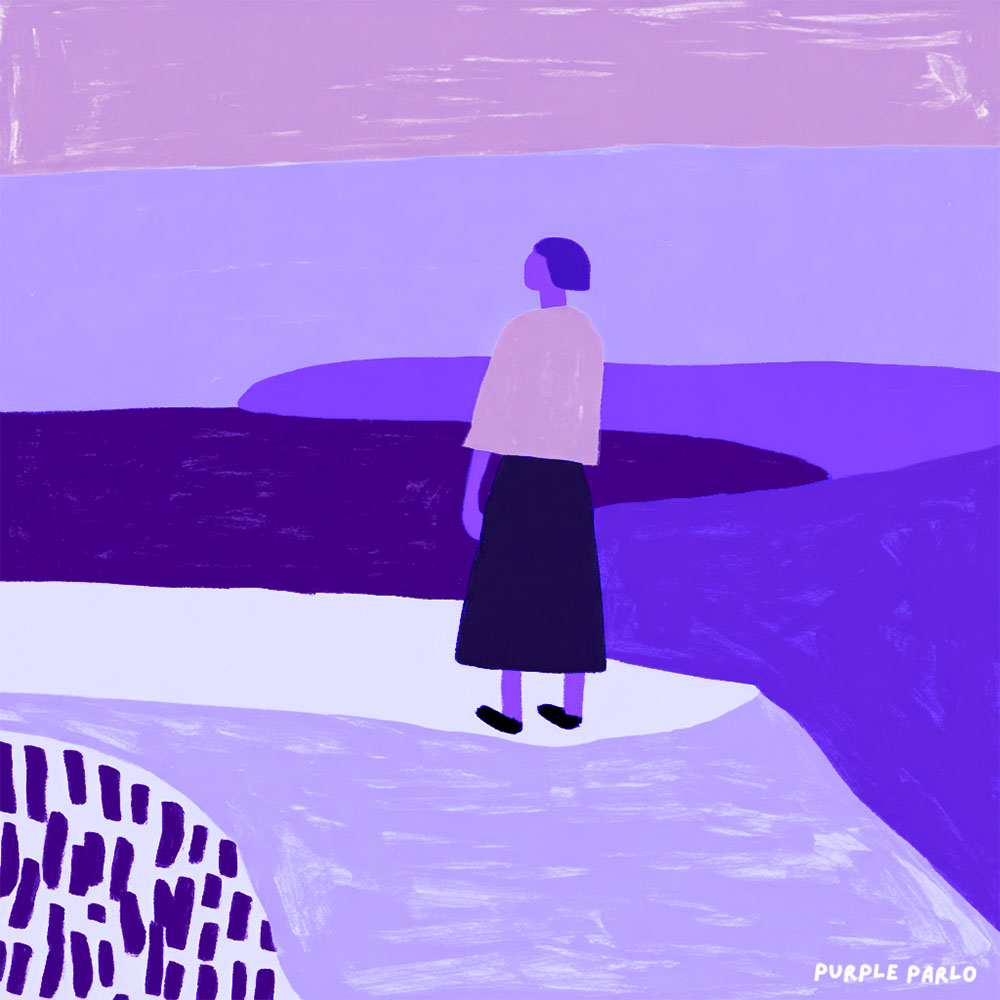
Art directors need product illustration that’s precise and ready to print. This post sets out a step-by-step workflow from first sketch to clean, organised final files.
Emotional Mapping: Visualizing Borderline Tendencies in Art
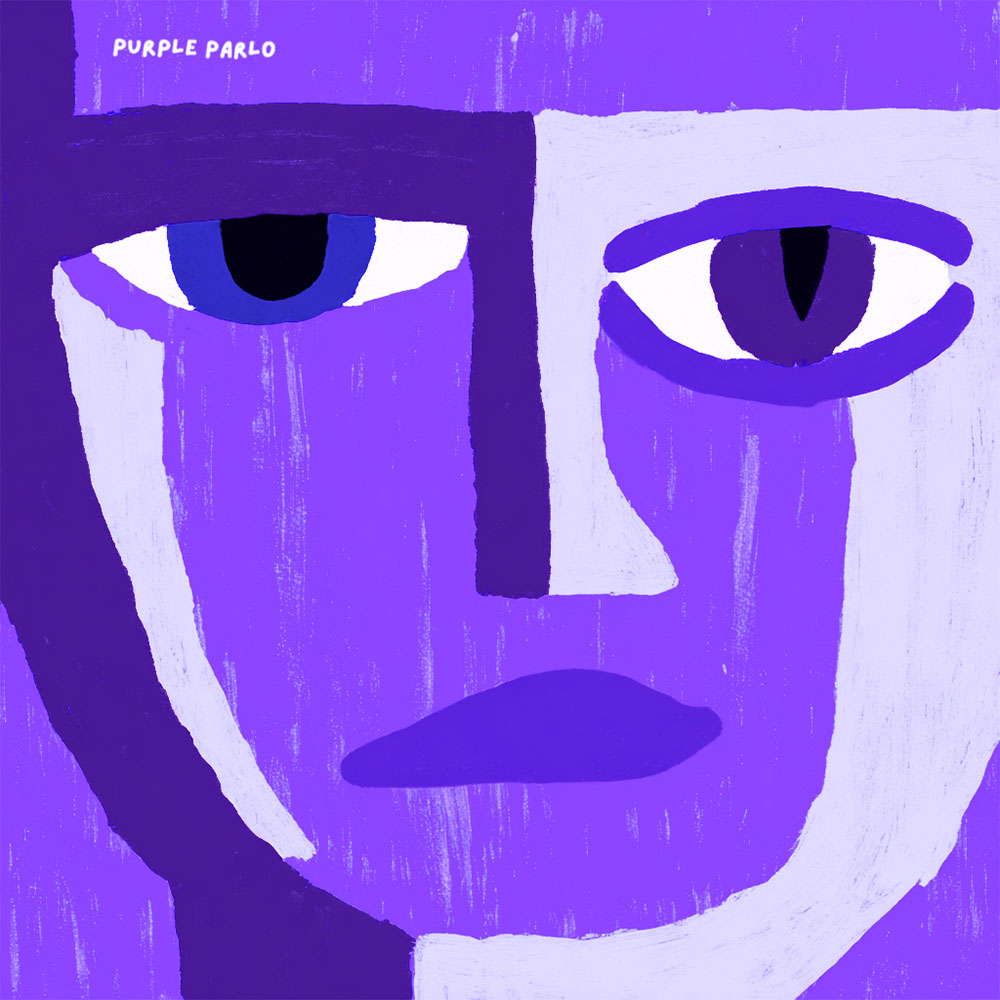
Intense emotions that swing quickly are hard to explain. Emotional mapping uses illustration to chart them, with structure that keeps the images safe to look at.
Symmetry in Trauma Art: Making Chaos Readable
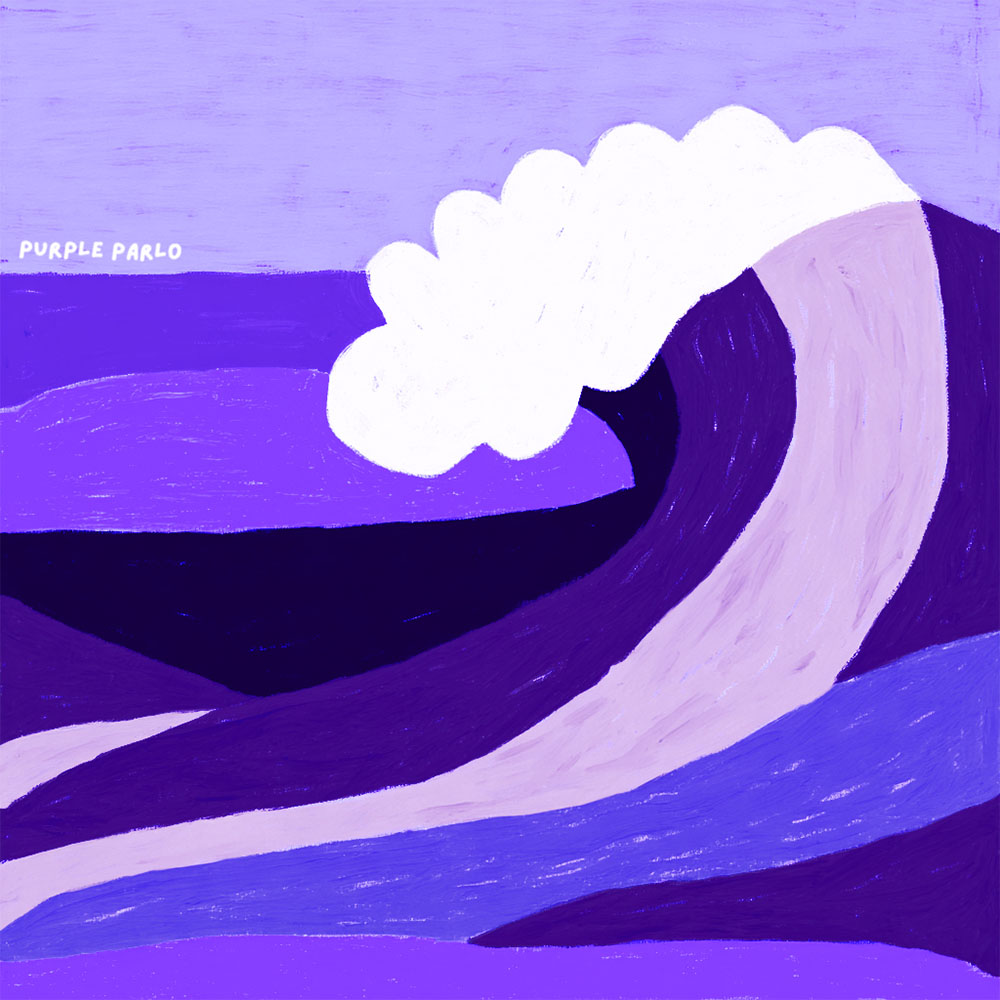
When inner life feels broken into pieces, a symmetrical image can hold those pieces together. Find out why symmetry works in trauma art and how I use it.
Visual Storytelling: Designing for Dualities and Bold Minimalism
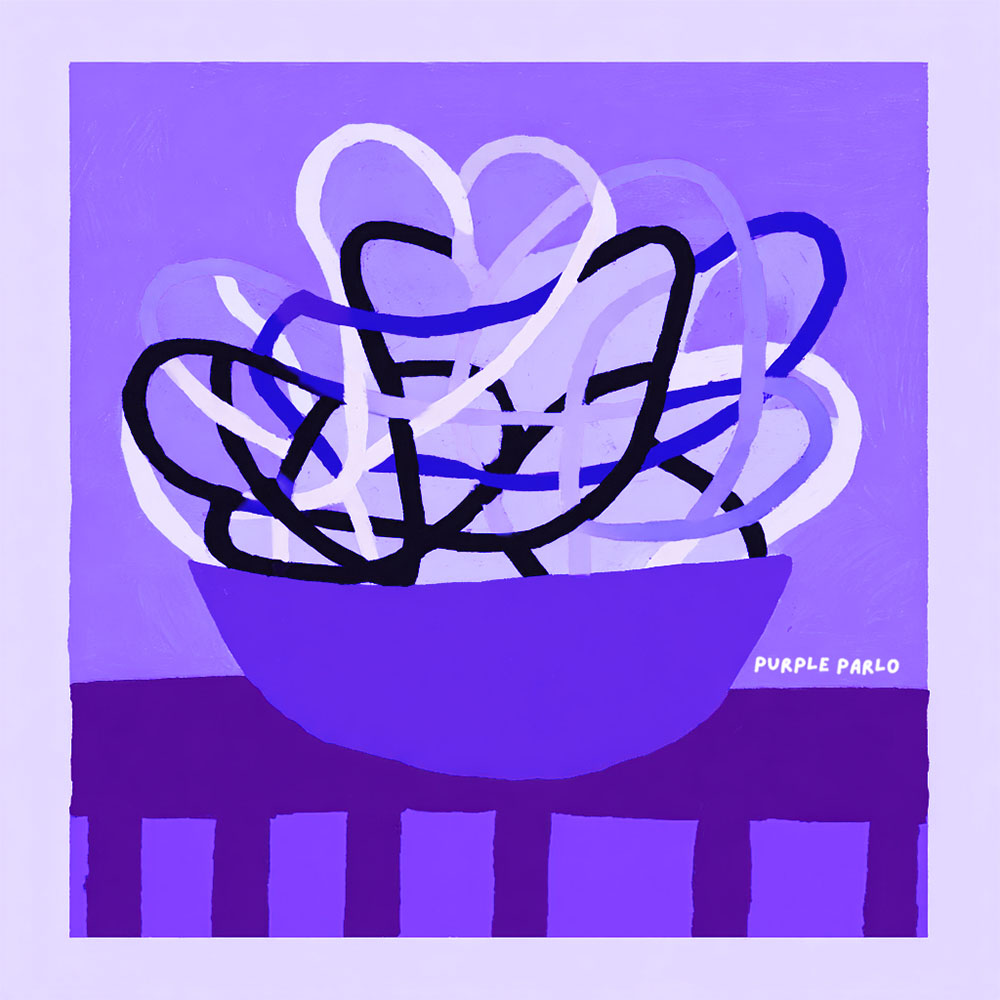
Pretty images get scrolled past. Visual storytelling holds attention through tension: playful and serious, alien and familiar. This post looks at how to design with dualities.
Visual Brand Manifesto: Attracting High-Value Agency Clients
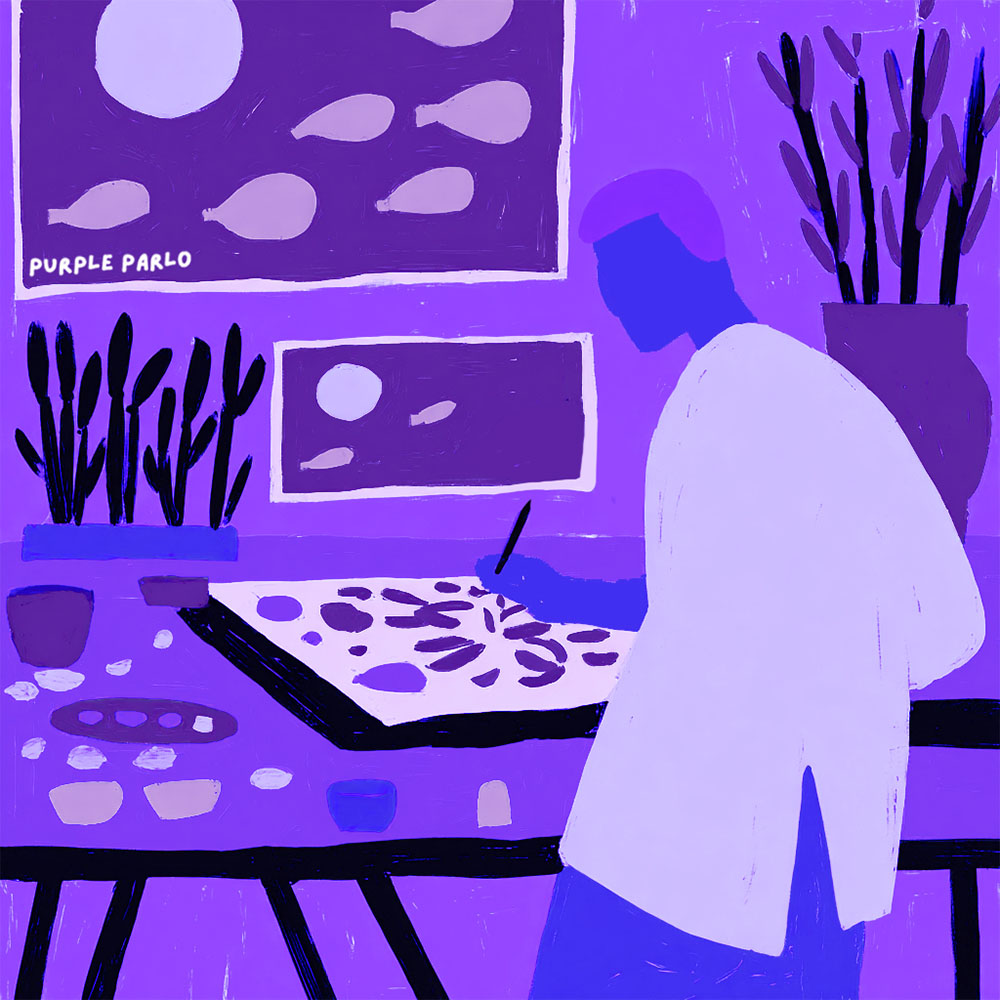
A visual brand manifesto is a short statement of what you stand for and how it shapes your art. Learn how to write one that attracts the right clients.
Brand Archetype Design: Connection Beyond the Logo
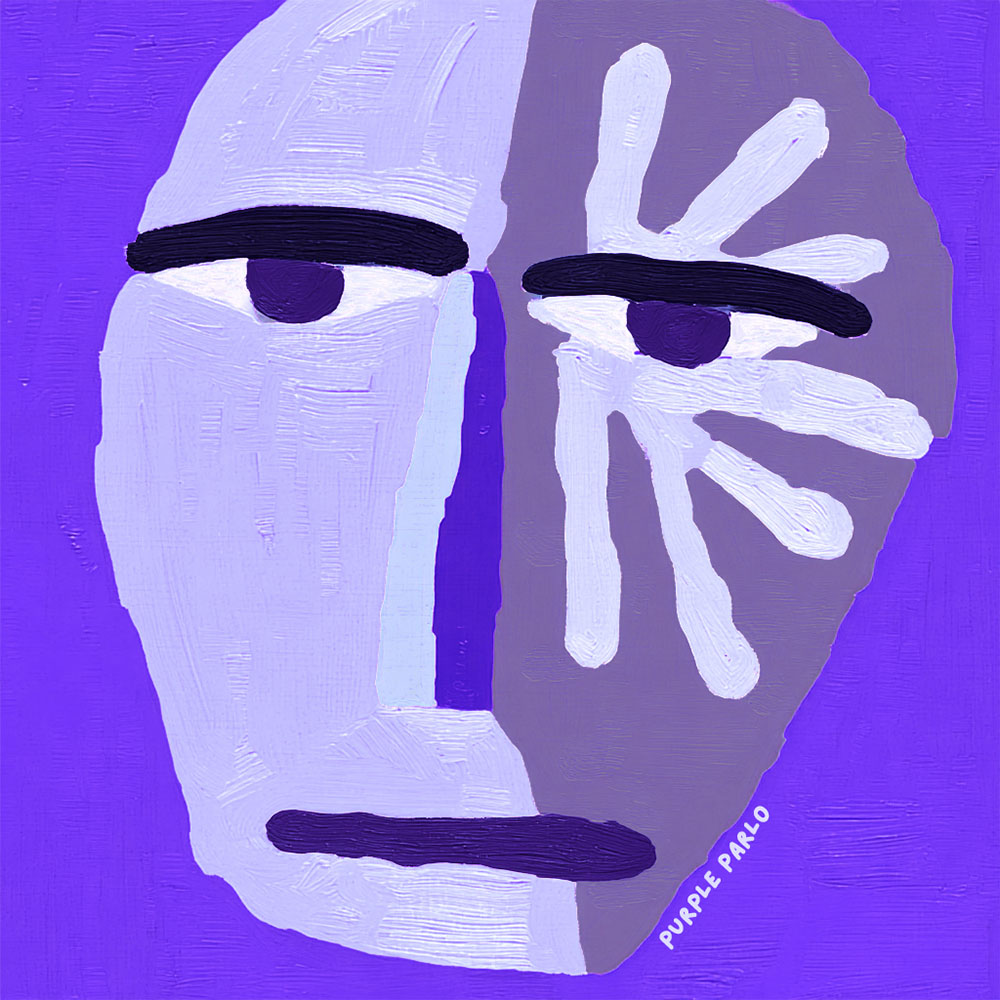
A logo is a bookmark; a brand archetype is the story behind it. Find out how to pick an archetype and turn it into visuals people feel connected to.
Curating Creative Output: Why Less Art Means More Authority
Posting everything makes a portfolio look unfocused. Curating creative output, showing less and better work, builds authority with the clients you actually want.