
Emotional mapping means drawing feelings the way you would draw a landscape: showing where they rise, where they drop and how fast they change. For people with borderline personality traits, emotions can be intense, shift quickly and swing between opposites, like a deep need for closeness followed by a strong urge to withdraw. Words often can’t keep up. A map can show the whole terrain at once.
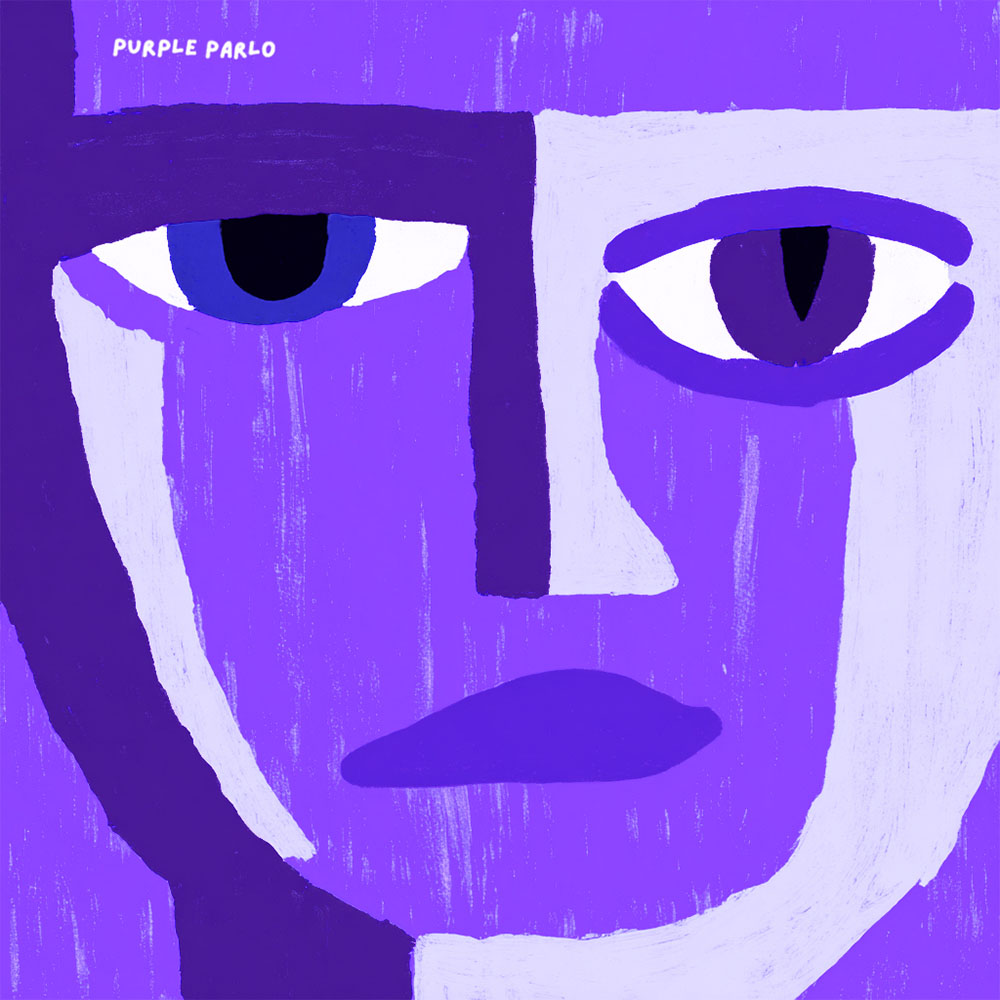
What borderline tendencies can feel like
Borderline personality disorder involves ongoing patterns of unstable moods, self-image and relationships. The US National Institute of Mental Health describes common experiences, including intense episodes of anger, depression or anxiety that may last hours, and a strong fear of abandonment. Many people have some of these tendencies without a diagnosis.
The experience is often described in extremes: all or nothing, perfect or ruined, close or gone. That’s useful for an illustrator, because extremes are visual.
How an emotional map works
- Height for intensity: peaks and cliffs for overwhelming moments, flat plains for numbness.
- Weather for mood: sudden storms, still fog, harsh sun.
- Distance for connection: figures near or far from each other across the map.
- Paths for patterns: the same loop walked again and again.
Seeing a pattern on a map can be the first step to noticing it in daily life.

Structure keeps it safe
Drawing intense emotion with intense chaos can overwhelm the viewer. I use bold, simple shapes and balanced compositions so the map stays readable. The feelings are raw; the frame is calm. This idea runs through my work and is explained in Symmetry in Trauma Art.
Emotional mapping and therapy
Dialectical Behavior Therapy, developed for people with borderline traits, teaches skills for noticing and regulating emotions. Maps fit well with that work: they make patterns visible before a client has the words for them. See DBT Illustrated for how images can support DBT skills.
Drawing with respect
Borderline traits carry a lot of stigma. Images should never mock, exaggerate for drama or present people as dangerous. Good emotional maps show intensity with empathy: the person is the traveller crossing difficult land, not the storm itself.
Try a simple map yourself
- Draw a horizontal line for one day.
- Mark moments when your feelings rose or fell.
- Turn each rise into a hill or cliff and each drop into a valley.
- Add weather or colour to show the mood.
It doesn’t have to look good. The point is to see the shape of the day from the outside.
After a week, put the maps side by side. Repeated cliffs at the same time of day, or after the same kind of event, are patterns worth noticing. Bring them to a therapist if you have one. Many people find it easier to point at a drawing than to describe a feeling that has already passed.
Why maps work better than mood scales
Mood apps often ask you to rate your day from one to ten. That number hides a lot. A day can swing from two to nine and back, and still average out at five. A map keeps the swings visible. It also shows triggers and recovery time: how quickly a valley climbs back up. Researchers who study emotional dysregulation point to speed and intensity of change as key features, and a map captures both in one glance.
Frequently asked questions
Is emotional mapping a therapy technique?
It’s a visual method that can support therapy and self-reflection. It isn’t a treatment in itself.
Can organisations commission emotional maps?
Yes, for psychoeducation, books or campaigns. I keep them respectful and trauma-informed.
See more in my portfolio or get in touch.
Wish You a Purple Day!