
Emotional regulation illustration tries to show something tricky: not a happy face, but the steady state that lets someone handle strong feelings. Emotional regulation is the ability to influence which emotions you have, when, and how strongly you feel them. Drawing it means drawing structure and balance, not just a smile.
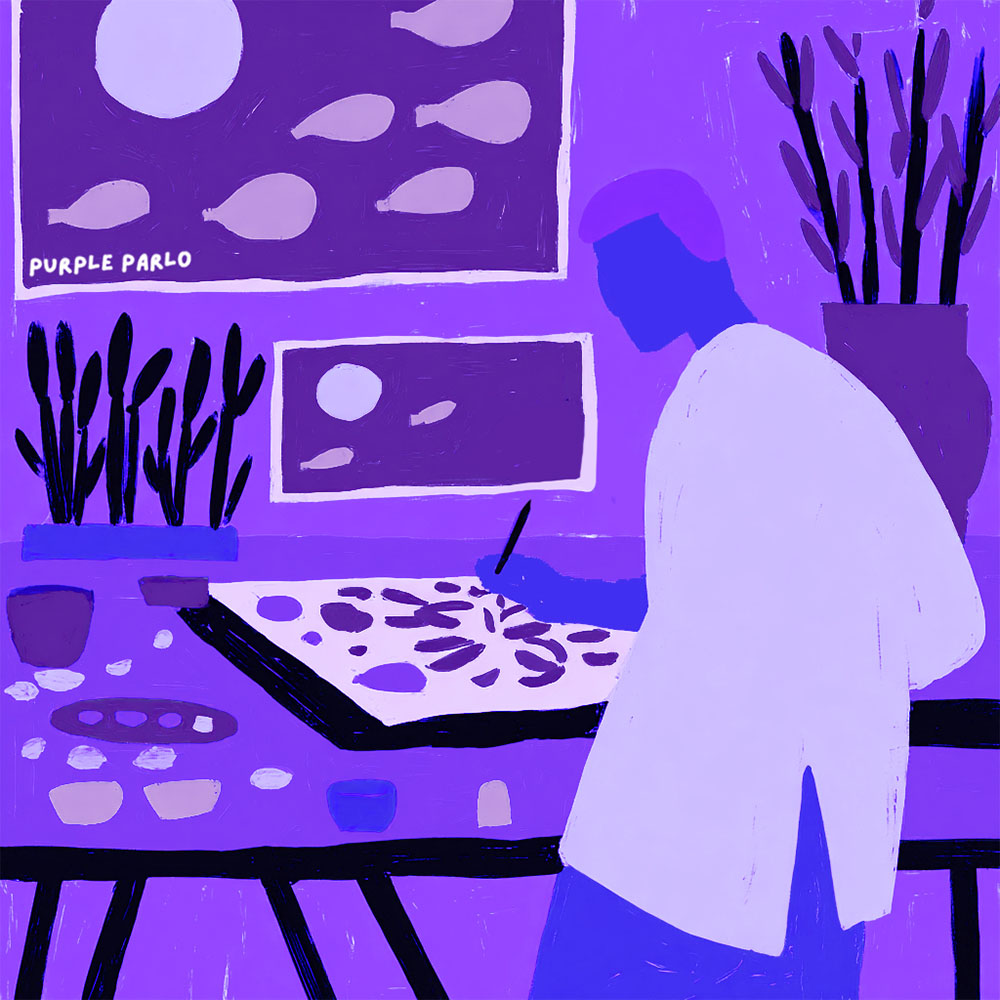
Why calm is hard to picture
Most stock images of “calm” show someone meditating on a beach. That works for relaxation adverts but not for people who struggle with intense emotions. For them, regulation feels more like holding a lot without tipping over. An honest image needs to show both the weight and the balance.
Metaphors that work
- A balanced stack: uneven shapes resting steadily on a base.
- A container: a figure holding a storm inside a clear outline.
- Weather passing: clouds moving over a fixed landscape that stays put.
- A dial: intensity turned down rather than switched off.
Each shows that feelings are still present but held.
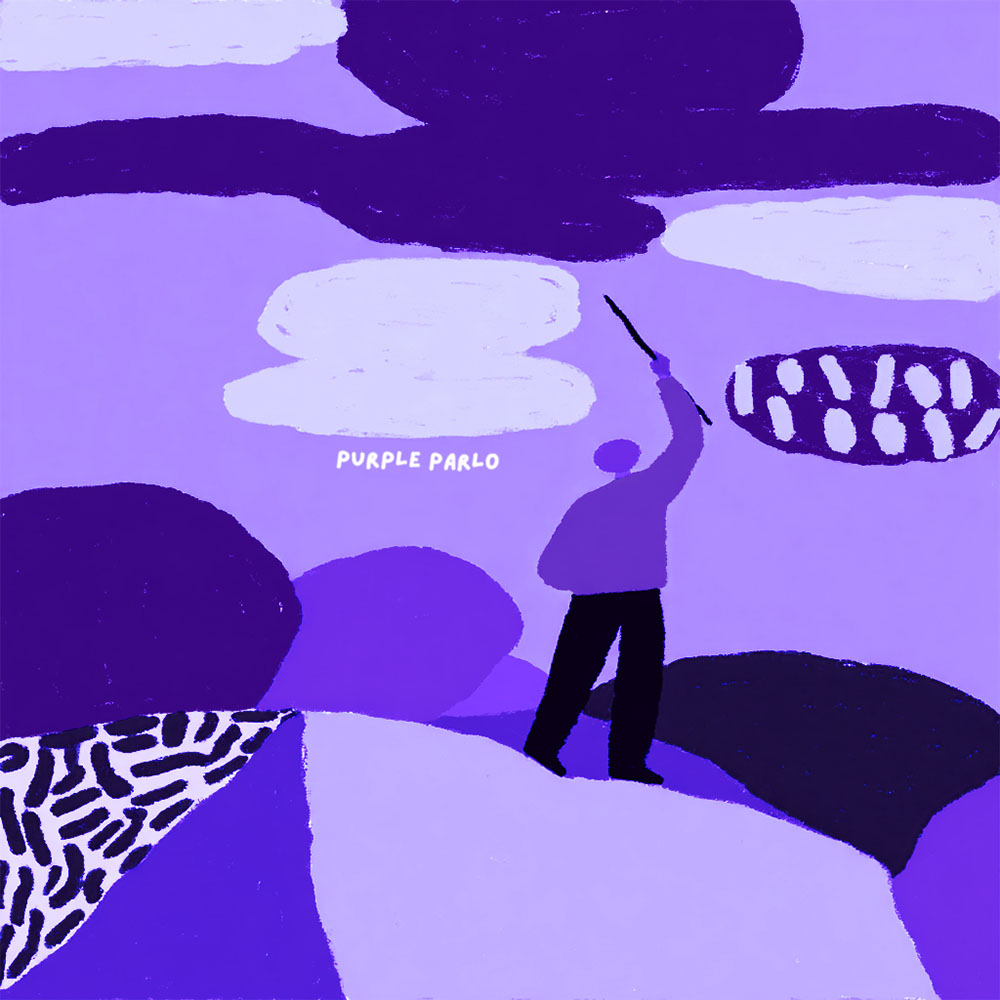
Symmetry as a picture of balance
When inner experience feels scattered, a symmetrical composition reads as integration: two sides holding each other up. I use symmetry a lot for this reason. It turns raw emotion into something organised and readable. I explain the idea in more depth in Symmetry in Trauma Art: Making Chaos Readable.
Keep it simple
Busy images can raise stress, which is the opposite of the goal. Few shapes, a limited palette and open space keep the image calm to look at. That matters if the art sits on a worksheet someone uses during a hard moment.
How I build a regulation image, step by step
- Start from the strong feeling, not the calm. What is being held? Anger, panic, grief?
- Give it a physical form: a storm, a weight, a fire, a crowd of shapes.
- Add the holding structure: a container, a base, a steady figure, a horizon line.
- Balance the composition so the structure looks strong enough for what it holds.
- Test it on someone who knows the feeling, and adjust if the image reads as “fine” instead of “holding”.
That last step is important. Regulation doesn’t mean the feeling has gone. If the picture looks too peaceful, people who are struggling won’t see themselves in it. The best images show effort and steadiness together.
Psychologists describe emotional self-regulation as a set of skills that develop over time. Images can’t teach those skills alone, but they can make them easier to picture and remember.
Where these images are used
- Therapy handouts and skills worksheets, for example in DBT-based programmes
- Mental health apps and websites
- School and workplace wellbeing material
- Self-help books
The UK mental health charity Mind is a good source of plain-language information on managing emotions if you want background for your own content.
Frequently asked questions
Can illustration teach regulation skills?
It can make skills easier to remember. A clear image acts as a quick reminder when reading long text feels impossible. The skill itself is learned through practice and, ideally, professional support.
What style suits clinical material?
Calm, uncluttered images with clear metaphors. Avoid graphic or distressing detail.
If you need images that show balance and calm, see my portfolio or get in touch.
Wish You a Purple Day!