
A product branding narrative is the story a product tells about itself and about the person who buys it. People rarely buy on features alone. They choose items that say something about who they are or want to be: curious, calm, playful, thoughtful. A clear narrative gives buyers that story, and illustration is one of the fastest ways to show it.

Why products need a story
- It creates recognition. A consistent story makes a product line memorable.
- It justifies price. Buyers pay more for meaning than for plain function.
- It builds loyalty. People return to brands they feel connected to.
Writing on storytelling points to the same idea: stories are easier to remember than lists of benefits.
Building the narrative
- Choose a character or archetype. Is the product an explorer, a caregiver, a joker? See Brand Archetype Design.
- Define the feeling the buyer should have when they use it.
- Write a one-line story: “A small creature who collects feelings nobody else wants.”
- Translate it into visuals: character, colours, patterns, typography.
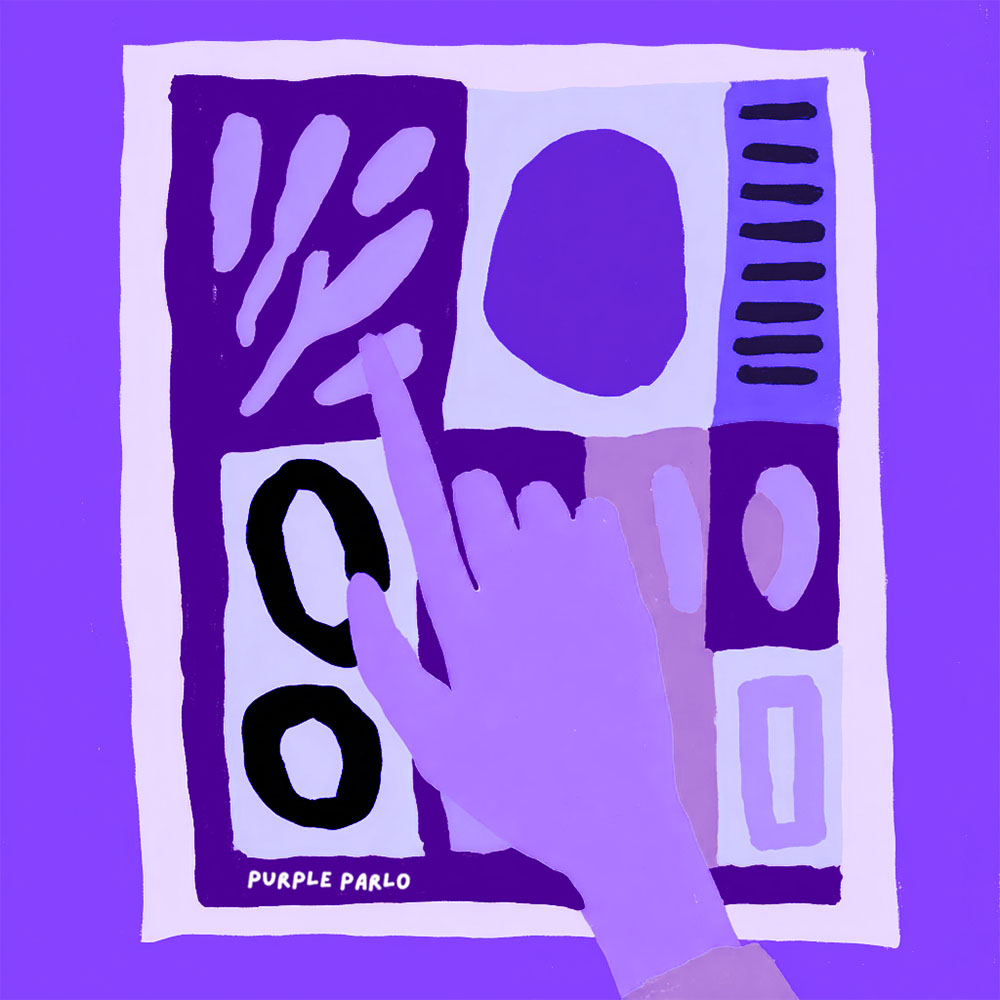
Illustration as the hook
On a crowded shelf or a scrolling feed, an illustration is the first thing people notice. Strong contrast, a clear character and simple shapes make a product stand out in a fraction of a second. In my work that often means a slightly unusual character, an outsider with a story, drawn in bold, minimal shapes and purple tones. Slight strangeness makes people look twice. I explain why in Art and Psychology: The Uncanny.
Carry the story everywhere
The narrative should continue from the product to its packaging, product page, social posts and even the thank-you card in the box. Each touchpoint is a chance to repeat the story. A packaging illustrator plans these pieces together, so the unboxing feels like the next chapter rather than an afterthought.
Consistency across a product line
When you add products, keep the same characters, palette and tone. A buyer who loved one item should recognise the next one immediately. A short style guide helps, listing colours, character rules and layout patterns. Wikipedia’s article on style guides explains the basics.
Small brands can do this too
You don’t need a big budget. A single strong character and a clear story can carry a whole small product range: stickers, prints, tote bags, plush toys. Many independent illustrators build their shops this way. See Passive Income Streams for how products fit into a creative business.
Frequently asked questions
What’s the difference between a brand story and a product narrative?
A brand story covers the whole company. A product narrative is the specific story of one product or line, which should fit inside the brand story.
Can illustration replace product photos?
Usually they work together. Photos show the real item; illustration shows its personality.
How long should the narrative be?
One sentence for the core, a short paragraph for the product page.
Planning a product line? See my portfolio or contact me.
Wish You a Purple Day!