
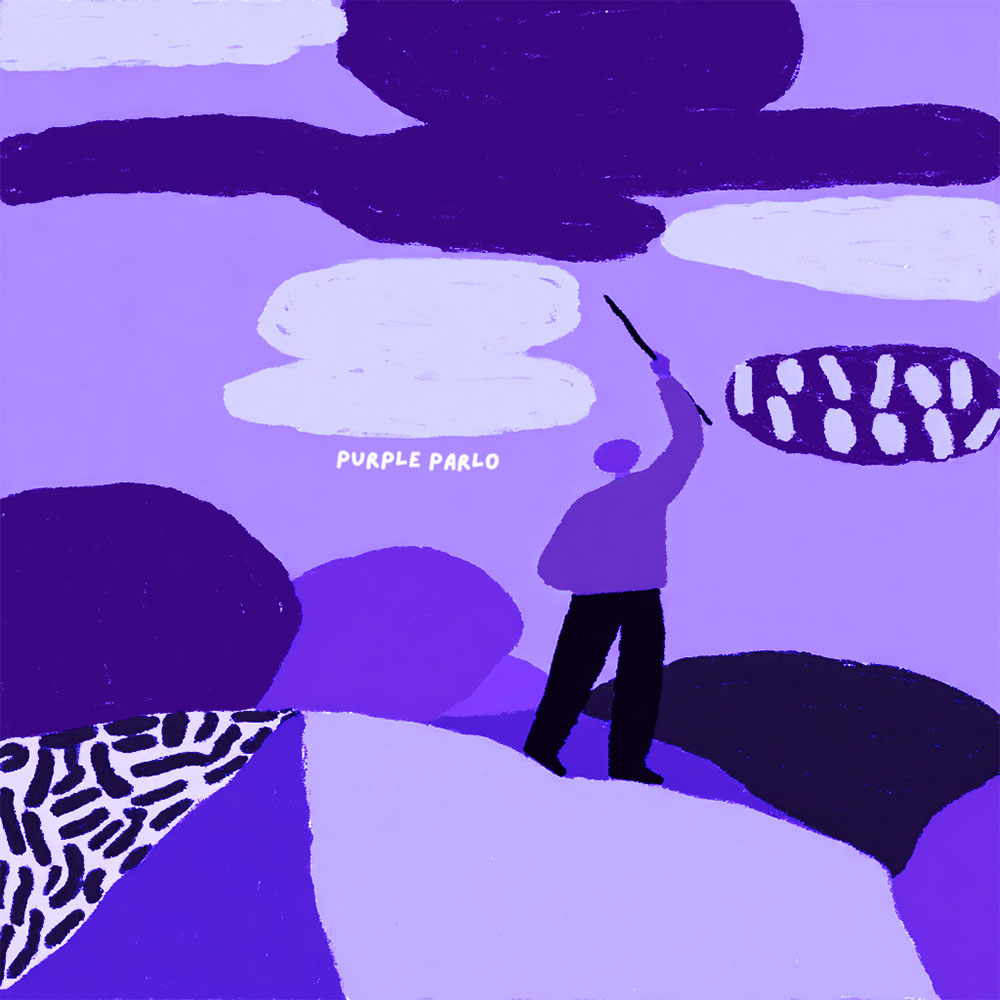
The Art and Psychology Connection is inherently rooted in the human need to externalize internal, often overwhelming, experiences. For specialized illustration, this intersection is defined by the quality of Emotional Resonance achieved. The most powerful art often operates in the territory of the Uncanny—that feeling of seeing something familiar yet profoundly strange. This quality, where an image captures an internal truth that resists conventional definition, is the perfect vehicle for psychological insight. It moves the art beyond mere decoration toward a form of intellectual and emotional translation.
The Foundation of the Art and Psychology Connection
The relationship between art and psychology is defined by how we perceive the self. The Uncanny in visual communication is achieved when the artwork is structurally recognizable (human-shaped, symmetrical) but philosophically unsettling (showing wounds, broken symmetry, or an otherworldly perspective). This tension commands attention and demands deeper engagement. This approach is highly effective for Psychology Visual Storytelling because it bypasses cognitive defenses and encourages exploration of difficult themes.
In the saturated digital market, consumers and agencies alike prioritize authenticity over perfection. Generic visuals and boilerplate language fail because they lack the necessary psychological depth and nuance. The profound Art and Psychology Connection offers the required depth, making the visual story speak with integrity and truth. To see how these concepts are applied in practice, you can visit my About Page to learn more about my methodology.
The Methodology of Therapeutic Illustration
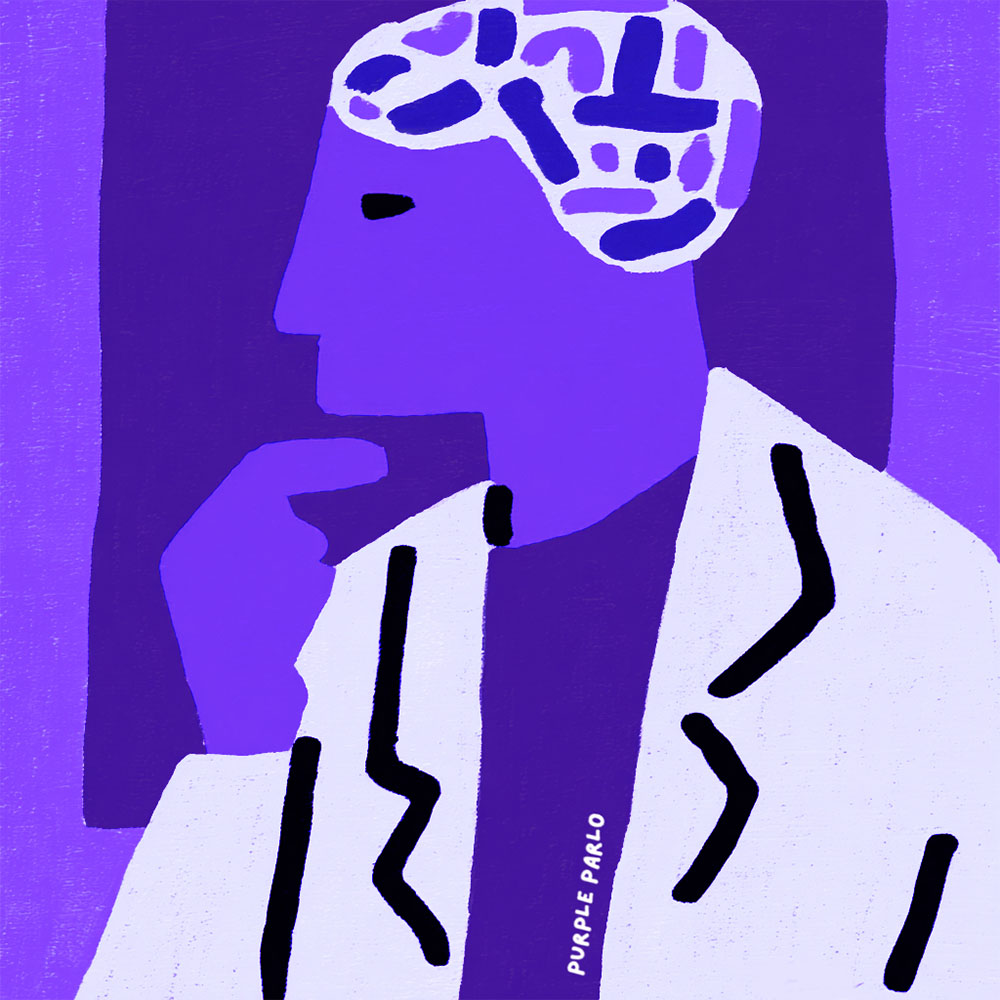
For illustration to serve as a tool for healing and comprehension, it must adhere to a disciplined methodology. Therapeutic Illustration is the process that converts abstract feelings into communicable visual forms. Art is the essential translation of emotion into visible metaphor. This process takes highly subjective internal experiences—like dissociation, fragmentation, or intense mood cycling—and gives them universal form. The goal is achieved when the viewer recognizes their own internal state in the external art, creating immediate Emotional Resonance.
The aesthetic choice of Bold Minimalism is vital for maintaining the integrity of the Art and Psychology Connection. It functions as an aesthetic filter, stripping away visual clutter to reveal the core psychological truth. This provides containment for neurodivergent audiences and structural order for chaotic subjects. For more information on how high-quality content impacts search visibility, consult the Google Search Central guidance on E-E-A-T. If you are ready to start a project, feel free to contact me.
Wish You a Purple Day!