
Trauma Illustration serves as a profound bridge between the unspeakable depths of human experience and the clarity of visual form. In a world where traditional language often fails to capture the nuances of psychological distress, art steps in to provide a container for the complex, the contradictory, and the deeply personal. For those navigating the landscape of neurodiversity or emotional recovery, visual metaphors offer a unique path toward recognition and healing that linear narrative simply cannot reach.
Why Trauma Illustration Transcends Traditional Language
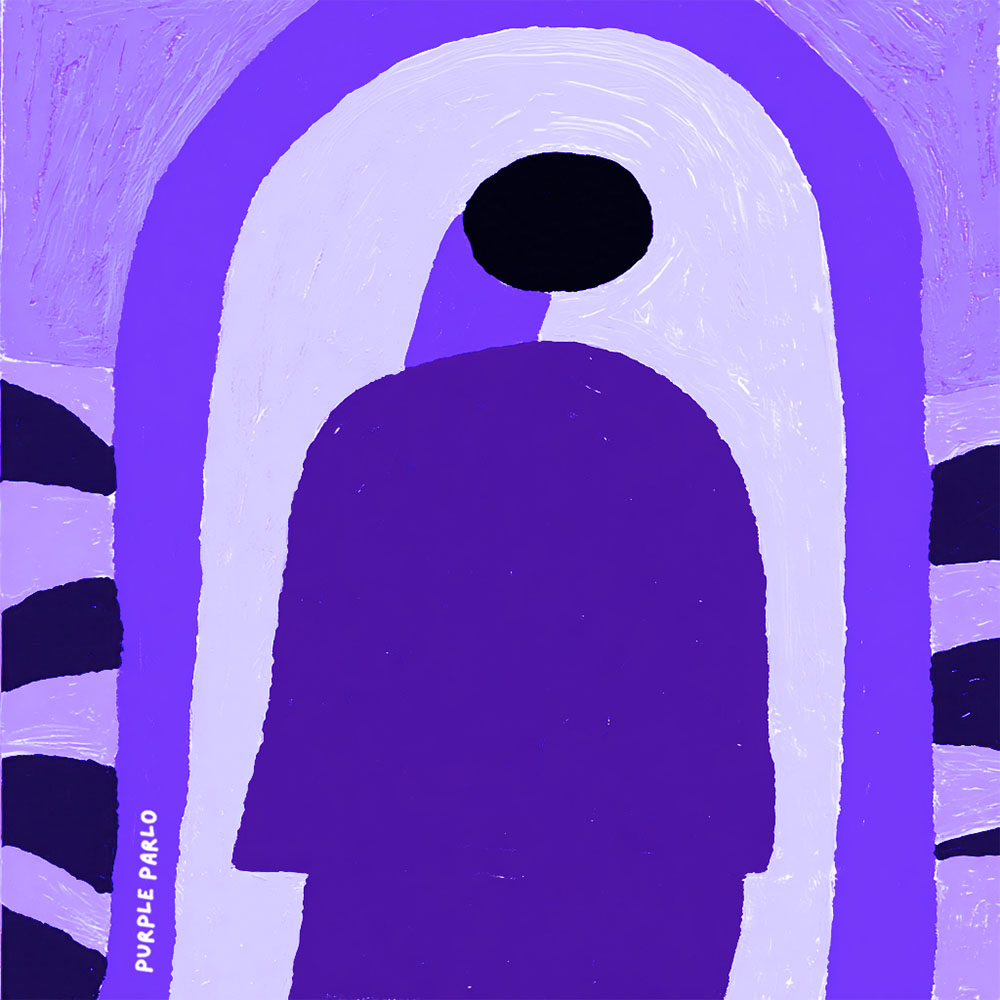
The core challenge of trauma is its inherent resistance to words. When we experience profound psychological shifts, the brain’s linguistic centers often go offline, leaving us with fragmented sensory memories and abstract feelings. This is where Trauma Illustration becomes an essential tool. By utilizing visual metaphors, we can bypass the cognitive filters that demand logic and instead speak directly to the subconscious.
Visual storytelling allows for the externalization of internal chaos. Instead of struggling to find the right adjective for a feeling of isolation, an artist might depict an ‘alien’ figure navigating a neon-lit, desolate landscape. This shift from the literal to the metaphorical creates a safe distance, allowing the individual to observe their experience without being consumed by it. This process is central to therapeutic art practices, which emphasize the power of non-verbal expression.
The Power of Visual Metaphors in Psychology-Inspired Art
Metaphors are the language of the human mind. In the context of Trauma Illustration, a metaphor acts as a mirror. It reflects a truth that is too bright to look at directly. For example, representing anxiety as a tangled web of high-contrast lines or depression as a heavy, purple-hued fog provides a tangible reference point for an intangible state.
- Recognition: Seeing one’s internal state reflected in art validates the experience.
- Externalization: It moves the trauma from ‘inside me’ to ‘on the page.’
- Communication: It allows others to ‘see’ a feeling without needing a clinical explanation.
Bold Minimalism: Finding Stability in Fragmentation
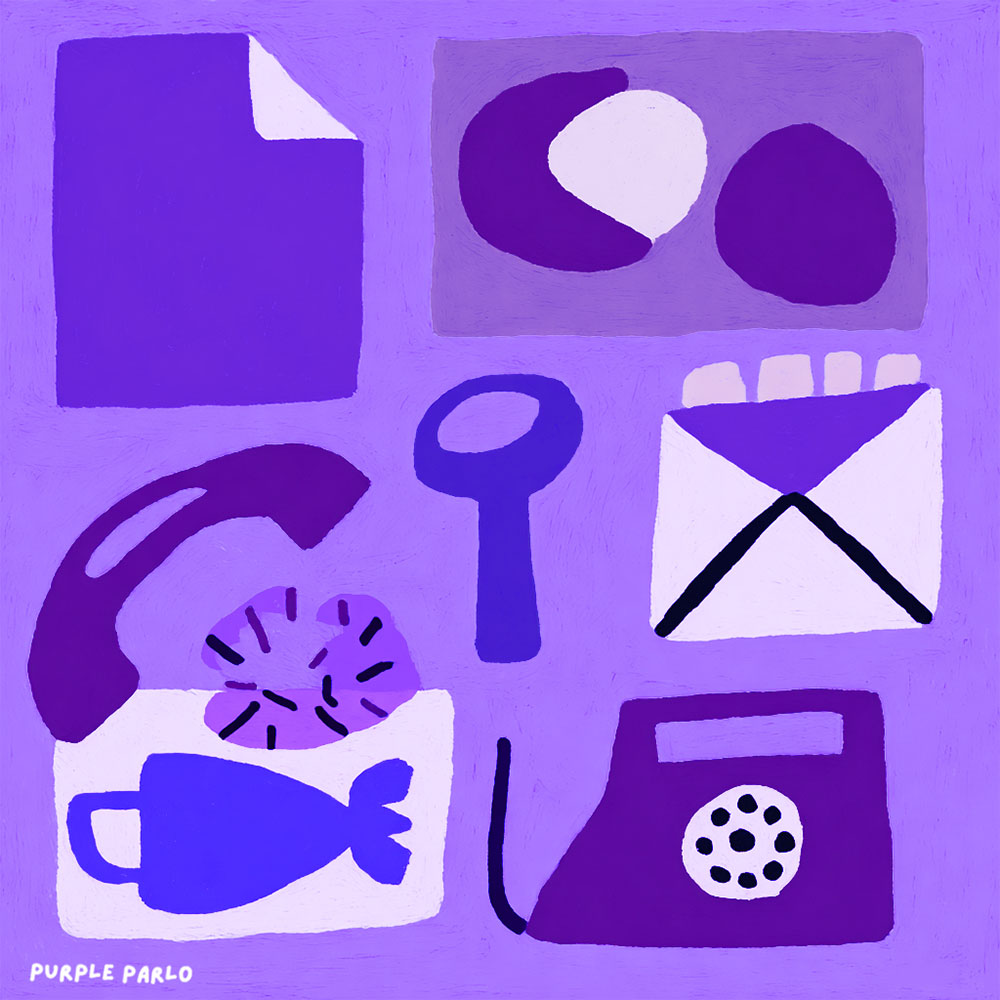
At Purple Parlo, the aesthetic of bold minimalism is not just a design choice; it is a psychological strategy. When dealing with the fragmentation of trauma, the mind craves order and intentionality. By stripping away the unnecessary and focusing on high-contrast, pixel-perfect symmetry, we create a sense of visual stability. This approach to Trauma Illustration helps organize the ‘noise’ of the mind into something readable and structured.
Symmetry, in particular, offers a sense of balance that is often missing in the aftermath of emotional upheaval. It suggests that even within the ‘alien’ experience of neurodiversity or trauma, there is a pattern, a logic, and a potential for harmony. This is why my work often focuses on the intersection of human mind concept art and avant-garde aesthetics—to prove that even the most complex emotions can be distilled into beautiful, intentional forms.
Neurodiversity in Creativity and the Alien Perspective
For many neurodivergent adults, the feeling of being an ‘outsider’ or an ‘alien’ is a constant theme. Trauma Illustration provides a medium to celebrate this difference rather than hide it. By embracing the alien perspective, we turn what was once a source of isolation into a competitive edge in creative work. This unique viewpoint allows for the creation of imagery that is eccentric, unexpected, and deeply resonant with those who also feel they don’t quite fit the standard mold.
Professional Mental Health Illustration Services
The demand for high-quality, psychologically insightful art is growing. Modern agencies and clinicians are increasingly looking for Trauma Illustration that goes beyond generic stock imagery. They need visuals that capture the authentic neurodivergent experience and provide emotional resonance for their clients. Whether it is for editorial commissions, packaging design, or therapeutic resources, the goal is always the same: to translate abstract feelings into a visual language that heals.
If you are looking to explore how visual metaphors can amplify your brand’s message or provide deeper insight into the human condition, I invite you to learn more about my philosophy and the creative ecosystem I am building. My process is detail-obsessed, ensuring that every pixel serves a purpose in the larger narrative of psychological depth and bold minimalism.
Building a Creative Ecosystem for Healing
Healing is not a linear path, and neither is the creative process. By integrating AI tools to amplify the human artistic touch and maintaining a strict adherence to professional specs, I ensure that every piece of Trauma Illustration is both a work of art and a functional tool for communication. This balance of whimsy and meaning is what defines the Purple Parlo brand.
From custom product illustrations to complex human mind concept art, the focus remains on delivering emotional resonance. We are moving beyond the hustle and toward a sustainable way of creating that honors the need for both connection and solitude. If you are ready to bring a unique, psychologically-driven perspective to your next project, please feel free to contact me to discuss your vision.
Conclusion: Translating Feeling into Form
Trauma Illustration is a testament to the resilience of the human spirit. It proves that even when words fail, we can still find ways to be seen and understood. By leveraging visual metaphors, bold minimalism, and the alien perspective, we can transform the chaos of trauma into a structured, beautiful, and healing narrative. It is about finding the symmetry in the struggle and the art in the alienation.
Wish You a Purple Day!
Type NEXT to generate the next blog.