
Mental health illustration services help agencies, clinics and publishers show emotional topics with care. Wellness content is everywhere, and readers have learned to skim past the same stock photos of people looking sad by a window. Custom illustration gives a brand its own visual voice and shows readers that someone thought about their experience.
This guide covers what these services include, why they matter, and how a typical project works.
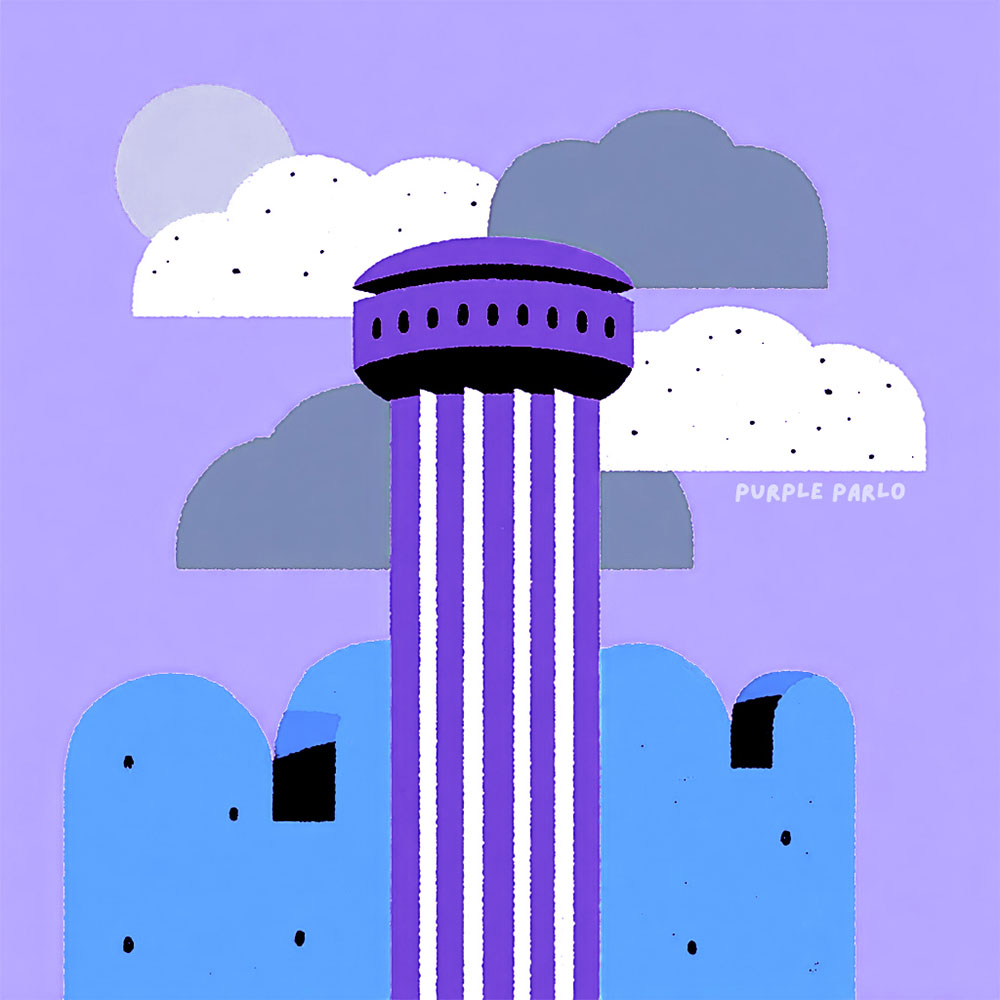
What mental health illustration covers
- Editorial images for blog posts, magazines and newsletters.
- Concept art that shows a psychological idea, such as anxiety loops or dissociation, as a clear visual metaphor.
- Clinical and educational material: worksheets, therapy handouts, course slides.
- Campaign and brand assets: social posts, landing pages, reports and packaging.
- Book illustration for self-help, memoir and children’s books on emotional topics.
Why custom beats stock for mental health
Health topics fall under what Google calls “Your Money or Your Life” content, where trust matters most. Its guidance on helpful, reliable content rewards original material made with real expertise. Stock images can’t show that. Custom illustration can:
- show the specific experience your article describes
- stay consistent across your whole site and campaign
- avoid clichés that put off people with lived experience
- handle hard subjects without graphic or upsetting detail
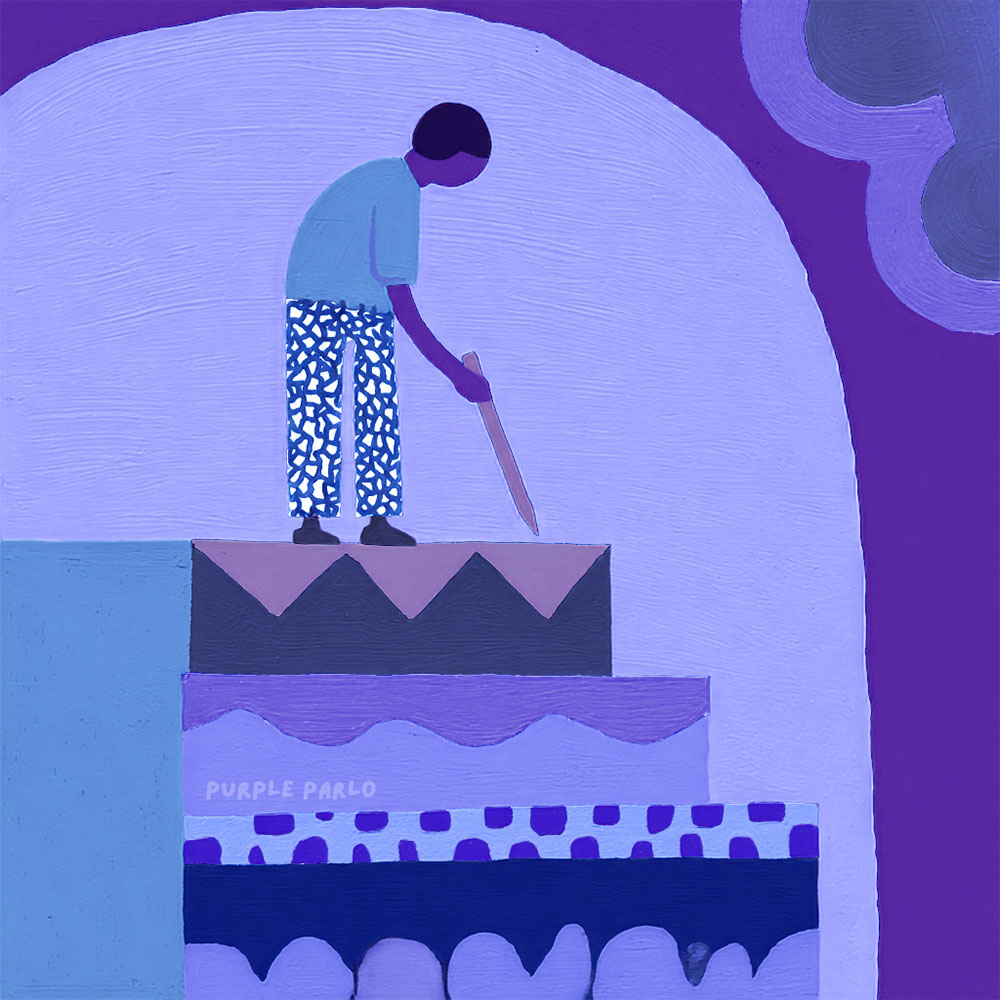
A calm visual style
My style is bold and minimal: a few strong shapes, a mostly purple palette, plenty of space. For mental health work that restraint is practical. Readers dealing with anxiety or sensory overload can look at a calm image for longer, and a simple metaphor is understood faster. You can read why in Art and Psychology Connection: Recognition in the Uncanny.
How a project usually runs
- Brief: you share the topic, audience, sizes and deadline.
- Concepts: I suggest two or three metaphors in rough sketch form.
- Review: you pick a direction, and if the material is clinical, a clinician can check it.
- Final art: I deliver files in the formats you need (web, print, social).
Clear steps protect your timeline and keep sensitive content accurate.
What to prepare before you get in touch
You don’t need a finished brief to start a conversation, but these details help me give you a useful answer and a realistic quote:
- The content the images will sit beside: an article draft, a handout, a book outline.
- The audience, including any sensitivities, such as trauma survivors, young people or clinicians.
- Quantity and sizes: one blog header or a set of twenty spot illustrations.
- Usage: web only, print, paid ads, merchandise. This affects licensing.
- Deadline and budget range, even a rough one.
- Visual references you like or dislike, from any source.
If you’re unsure how pricing and usage rights usually work for commissioned art, the Graphic Artists Guild publishes useful guides for clients and artists. I also explain the options in plain terms before any contract.
A clear start makes the creative part easier and keeps the final images true to your readers’ experience.
Frequently asked questions
How long does a commission take?
Single editorial images usually take one to two weeks. Series and books take longer, depending on the number of pieces.
Can you match our existing brand?
Yes. I work within brand colours and guidelines while keeping the illustration style consistent.
Who owns the artwork?
Usage rights are agreed in the contract. Most clients license the art for specific uses; full buyouts are also possible.
See more in my services and portfolio, or contact me to discuss your project.
Wish You a Purple Day!