
Illustrating dissociation is about drawing absence: the feeling of being far from your own body, your thoughts or the world around you. Not all trauma shows up as panic. Often it shows up as quiet detachment, like watching a film of your own life from a distant room. That’s hard to describe, and people who experience it often worry they’ll sound strange if they try. Images can do the explaining for them.
What dissociation is
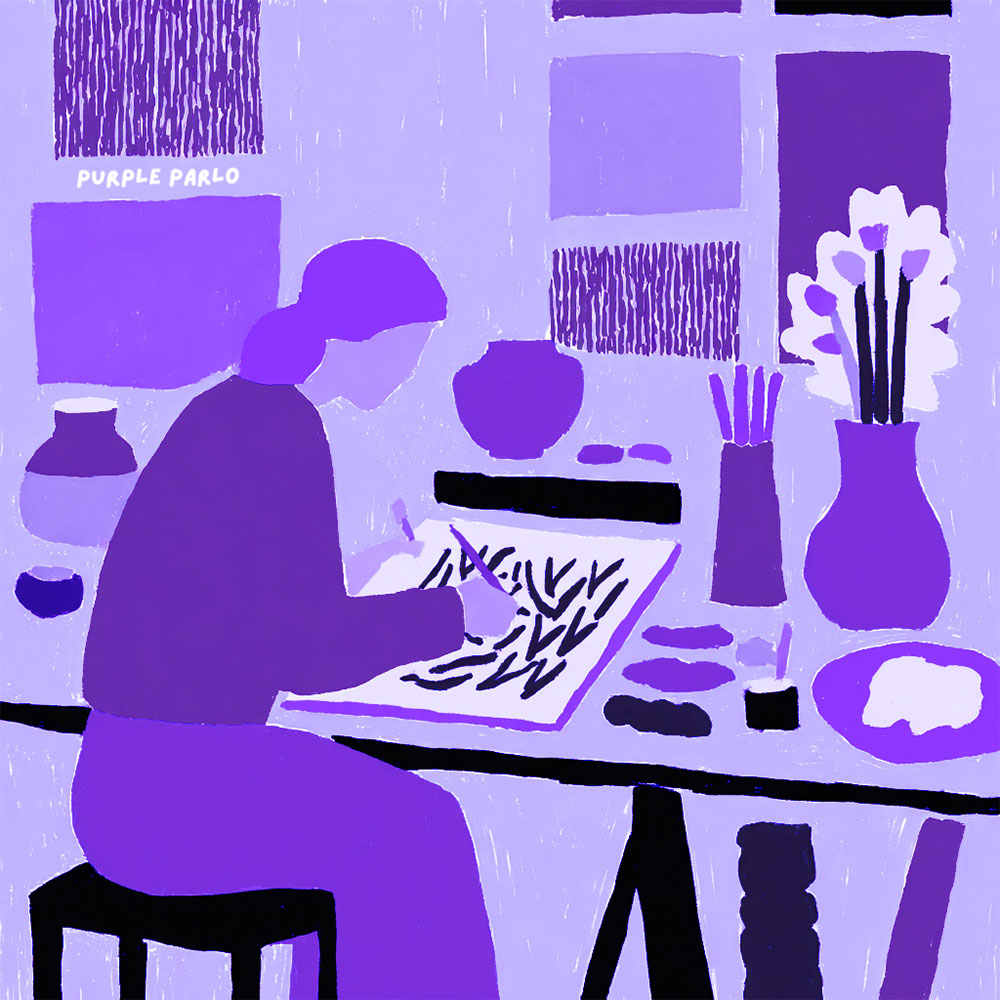
Dissociation is a disconnection between thoughts, feelings, memories, surroundings or sense of identity. It ranges from everyday spacing out to more intense experiences such as depersonalisation (feeling unreal) and derealisation (the world feeling unreal). The mental health charity Mind has a helpful guide. It’s often linked to trauma, as a way the mind protects itself from overwhelming experiences.
Metaphors for distance
- Glass: a figure behind a thick window while life continues on the other side.
- Hollow shapes: a body outline with empty space inside.
- Muffled colour: one figure in faded tones in a bright scene.
- Floating: a person drifting slightly above the ground or their own body.
- Layers: overlapping silhouettes that don’t quite line up.
Using empty space
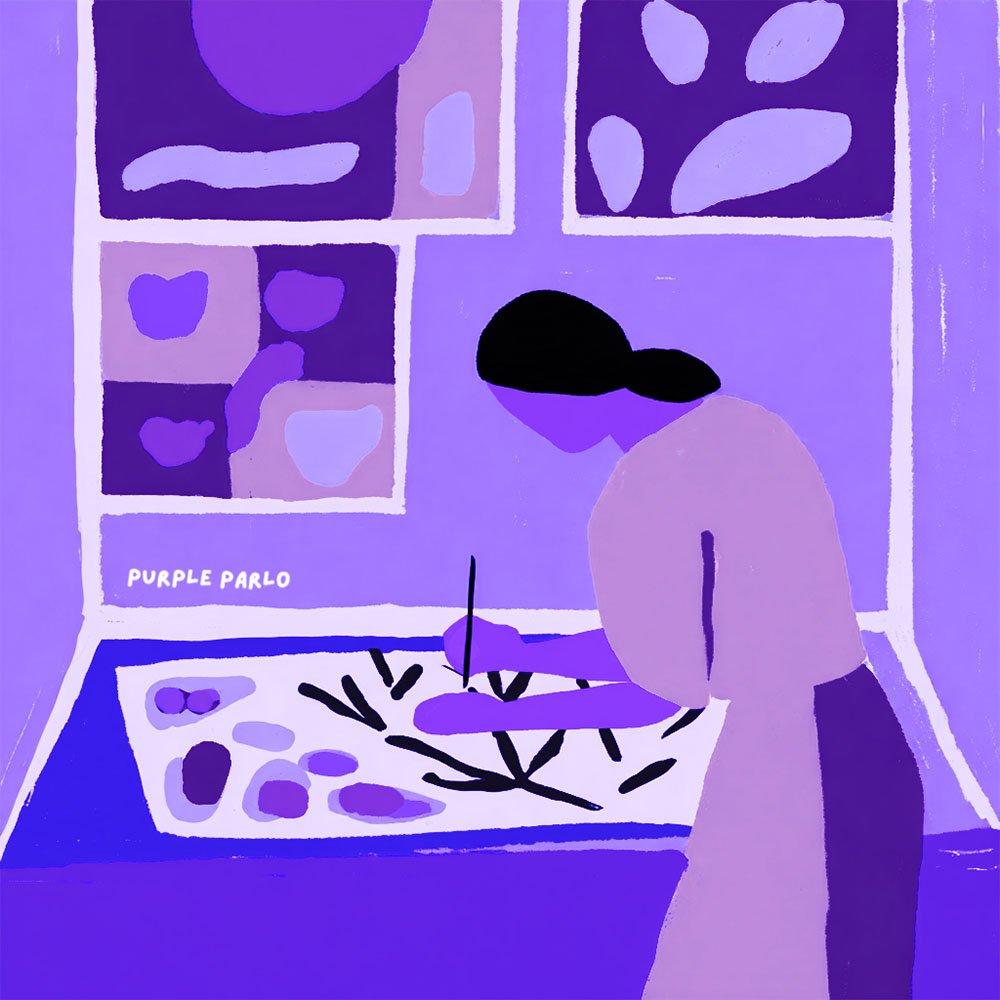
Dissociation is about something missing, so empty space does a lot of work. A small figure in a wide, quiet landscape says more than detailed drawing could. I keep compositions balanced and calm. The structure helps the viewer stay with the feeling instead of feeling lost in it. I’ve written about that technique in Symmetry in Trauma Art.
Why it helps to see it
Many people don’t realise dissociation has a name until they see it described. A clear image can be that moment of recognition. It can also help someone show a therapist, partner or friend what they mean, without needing exact words. For a personal account of feeling apart from the world, see my essay Drawing from the Outside.
Drawing dissociation responsibly
- Avoid horror tropes. Dissociation isn’t spooky; it’s a protective response.
- Don’t depict the traumatic cause. Focus on the experience of distance.
- Keep figures neutral, so many viewers can see themselves.
- Pair images with plain information and signposting to support.
Grounding images
Therapists often teach grounding skills to help people come back from dissociation: noticing five things you can see, feeling your feet on the floor, holding something cold. These skills can be illustrated too, as the “way back” to match the “far away” images. A small figure stepping from behind the glass, or colour returning to a faded scene, shows that the distance can shrink.
A pair of images, one showing the distance and one showing the return, often works better than either alone. It names the experience and offers a next step. The NHS page on dissociative disorders is a good place to link for readers who want medical information next to the art.
Where these images are used
Trauma clinics, mental health charities, authors of recovery memoirs and educators training staff in trauma-informed care all use dissociation imagery. Consistent, calm visuals help readers trust the information beside them. See also Trauma Illustration.
Frequently asked questions
Is dissociation always a sign of a disorder?
No. Mild dissociation, like daydreaming, is common. If it’s frequent or distressing, it’s worth talking to a professional.
Can I commission images for a dissociation guide?
Yes. I can create a set of calm, consistent illustrations for guides, workbooks or websites.
See my portfolio or contact me.
Wish You a Purple Day!