
EMDR Therapy Visuals play a vital role in processing trauma by providing non-verbal cues that help bridge the gap when linear narrative fails. Eye Movement Desensitization and Reprocessing (EMDR) is a powerful therapeutic tool, and the use of specialized trauma illustration can act as a catalyst for emotional regulation during the healing process.
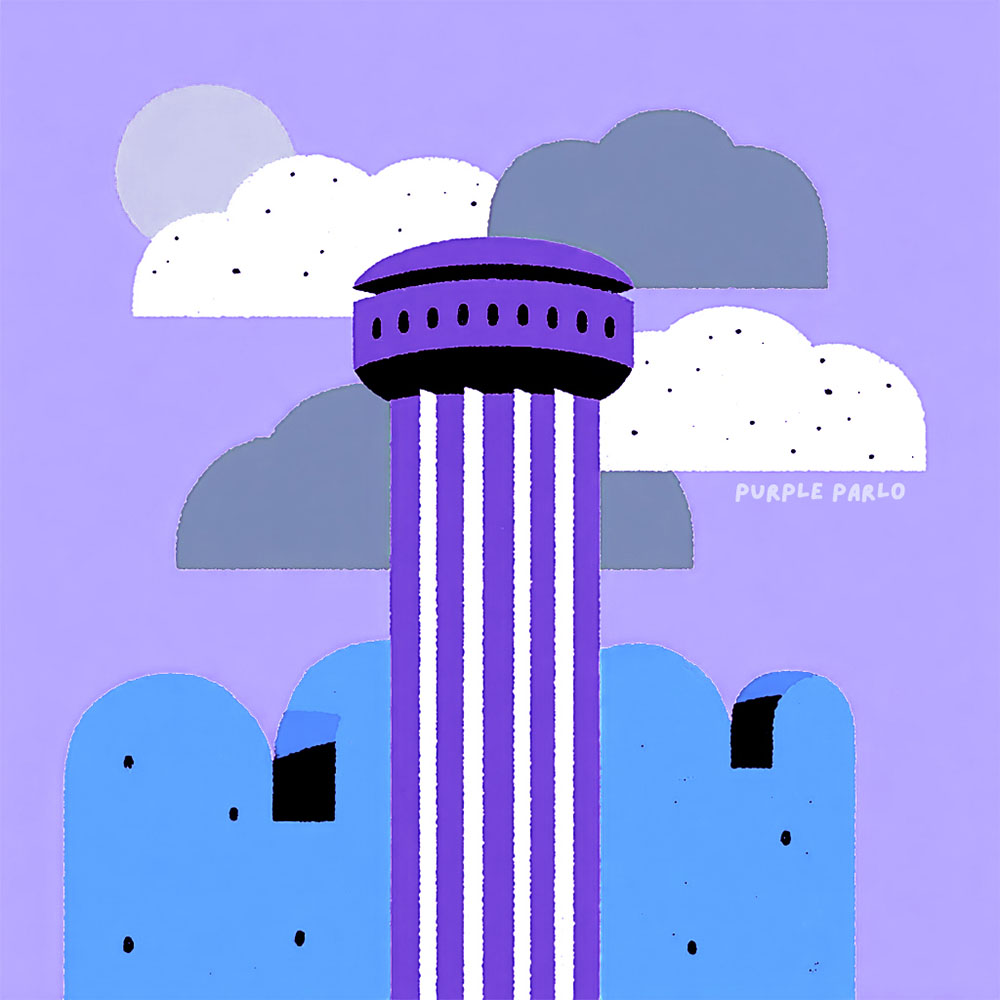
Processing Trauma Using EMDR Therapy Visuals
Trauma often resides in the brain as fragmented, sensory-heavy memories that are difficult to put into words. EMDR Therapy Visuals use visual metaphors to help patients externalize these experiences. By creating a structured visual environment, we allow the mind to organize chaotic thoughts into a manageable framework. This is especially helpful for those with neurodivergent experiences who may process information differently.
The methodology involves translating the paradox of trauma—the feeling of being stuck while needing to move forward—into art that promotes stability. This process is functional, not just decorative. For more information on how we support clinicians, visit our Contact Page. You can also learn more about the science of EMDR from the EMDR Institute.
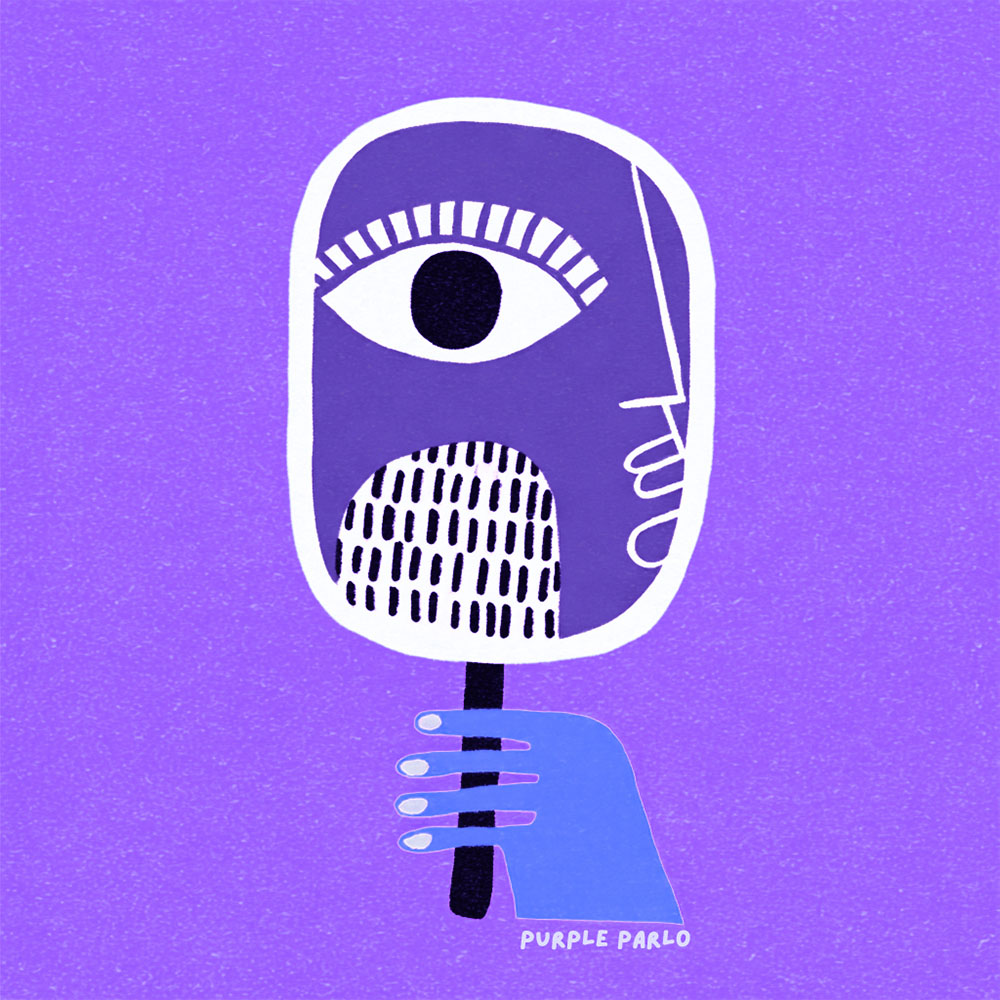
Technical Precision and Agency Trust
For agencies commissioning trauma-informed art, technical precision and process discipline are paramount. Meticulous attention to detail ensures that the visuals meet the high standards required for clinical use. This reliability minimizes risk for art directors and ensures that the final output is both resonant and professional.
If you are looking for specialized illustration to support trauma processing and emotional regulation, let’s collaborate to create meaningful visual tools. Reach out to see how we can work together.
Wish You a Purple Day!