
Human mind concept art turns invisible mental processes into pictures: anxiety as weather, memory as a filing room, focus as a narrow beam of light. Wellness brands, clinics and mental health apps are using it more and more, because the old default, stock photos of smiling people doing yoga, no longer earns trust. Readers can tell when an image was picked in thirty seconds from a library.

Why stock imagery stopped working
- It’s everywhere. The same photos appear on hundreds of sites.
- It shows the outside. Mental health happens inside; a photo of a sad face doesn’t show what anxiety feels like.
- It can feel insincere. Polished models clash with honest content about struggle.
Health and wellbeing content is held to high standards by readers and by search engines. Google’s guidance on helpful, reliable content favours original material made with real expertise. Custom illustration is one visible sign of that effort.
What human mind concept art can show
- Processes: how a worry grows, how habits form, how attention drifts.
- States: burnout, calm, numbness, overwhelm.
- Models: clinical ideas like the window of tolerance or the stress response.
- Change: before-and-after views of recovery or learning a skill.
A consistent visual language
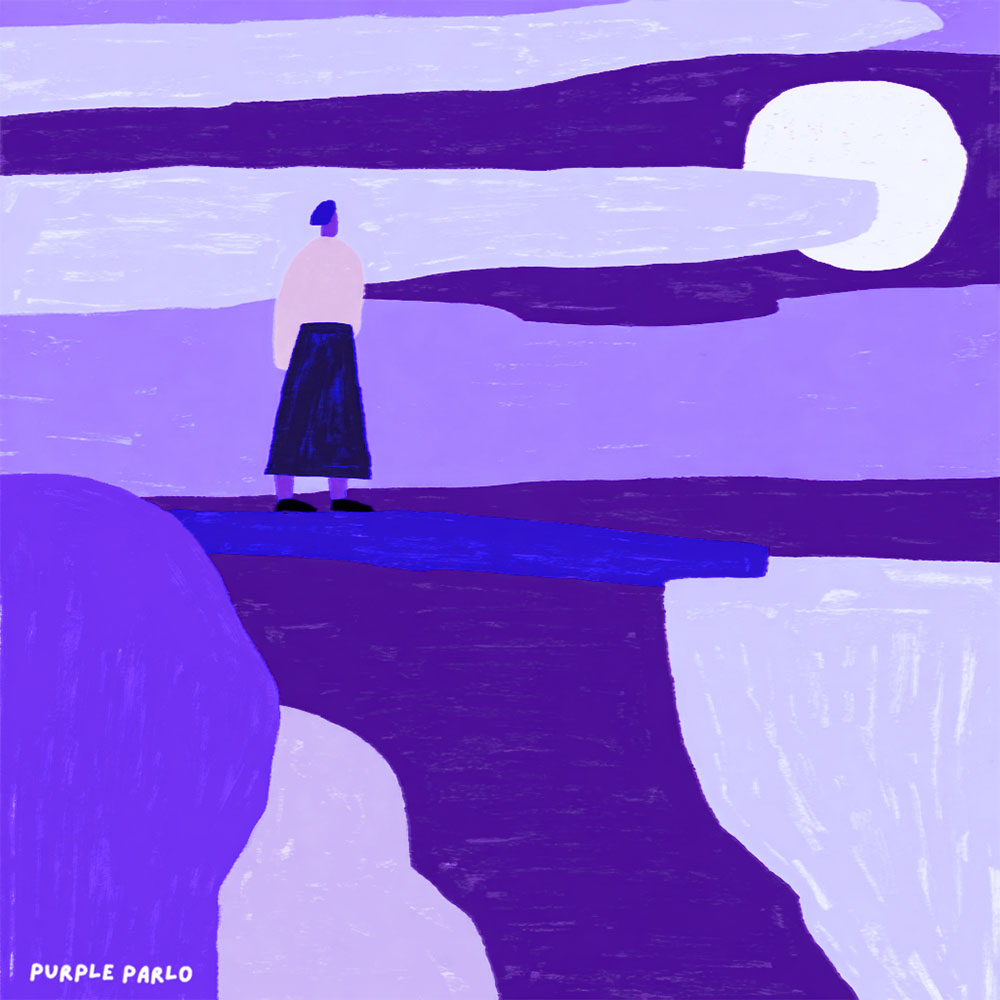
Most of the benefit comes from consistency. When every article, app screen and social post uses the same characters, colours and symbols, the brand becomes recognisable. My work uses bold, simple shapes, a mostly purple palette and calm, balanced compositions. Over time these build a library of symbols. I call mine The Alien Dictionary.
Calm design for sensitive topics
Many readers of mental health content are stressed when they arrive. Clean, minimal images are easier on them than busy ones, and simple metaphors are understood faster. Structure and symmetry also make difficult topics feel held rather than chaotic, as explained in Symmetry in Trauma Art.
How brands use it
- Website and blog: header images for every article in the same style.
- Apps: onboarding screens and empty states that explain features gently.
- Courses and handouts: diagrams that make clinical models clear.
- Campaigns: social posts and ads that stand out from stock.
The Nielsen Norman Group found that users ignore generic decorative images but pay attention to images that carry information. Concept art is built to carry information.
Starting small
You don’t need a full library on day one. A practical first step is to pick the five topics your audience reads about most and commission one image for each. Use them on your most visited pages, then watch what happens: time on page, newsletter sign-ups, comments from readers. If the images help, extend the set in the same style.
Keep a simple style sheet as the library grows: the palette, the main characters, how faces and hands are drawn, and which symbols mean what. That way new images stay consistent even months later, and your audience keeps recognising them.
Frequently asked questions
How many images does a wellness brand need?
Many start with a set of 10 to 20 core images, then add one per new article or feature.
Can concept art explain clinical models accurately?
Yes, with a clinician reviewing sketches before final art.
What does it cost?
It depends on quantity, complexity and usage rights. See services or ask for a quote.
Browse the portfolio or contact me. You may also like Mental Health Illustration Services.
Wish You a Purple Day!