
Cognitive flexibility is the ability to switch between ways of thinking: to drop one approach, try another, and hold two different ideas at once. It’s a big part of what makes creative work original. Instead of following a straight line from brief to obvious solution, a flexible mind asks “what if we looked at this from somewhere else?” That shift is often where the interesting ideas live.
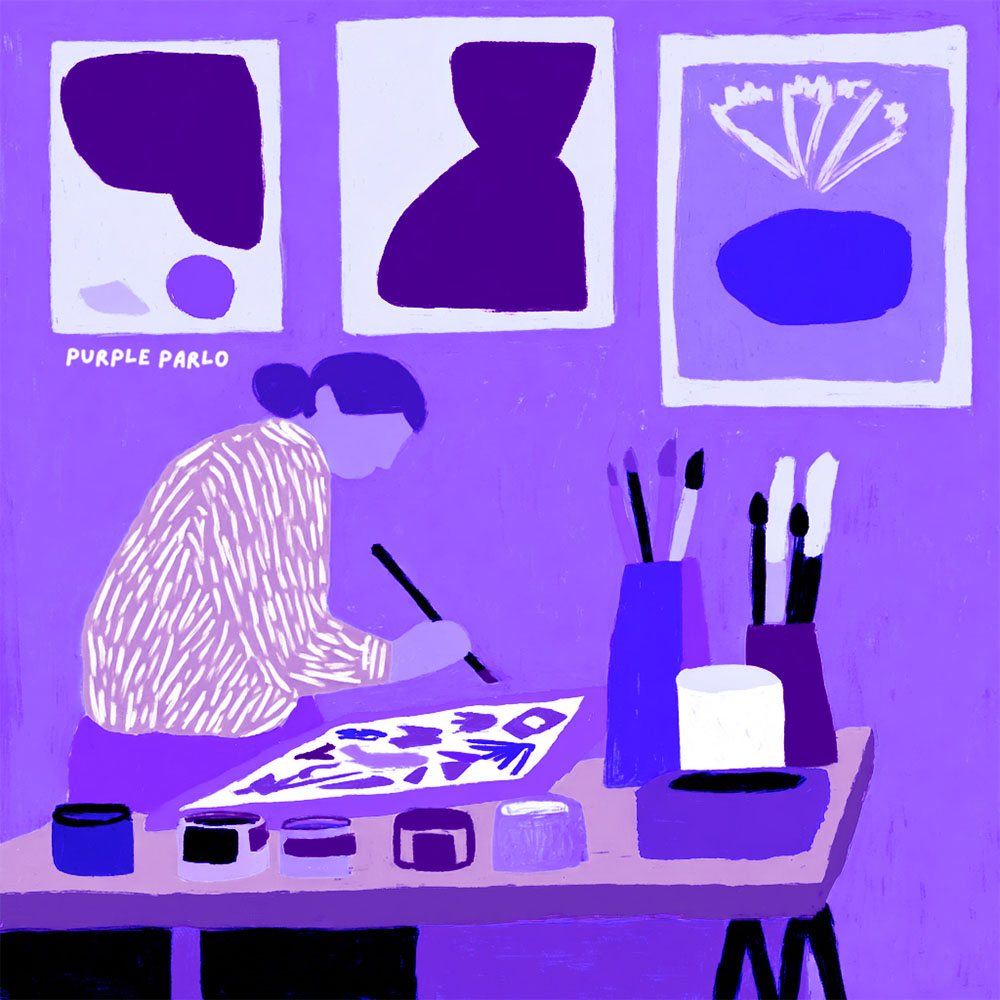
What cognitive flexibility is
Psychologists describe cognitive flexibility as one of the brain’s executive functions. It helps us adapt to change, switch tasks and see problems in new ways. In creative work it shows up as reframing a brief, mixing unrelated references or combining moods that usually don’t go together.
The outsider view as a tool
I often use the outsider’s perspective on purpose. Imagining how an alien might see an everyday object or social ritual strips away assumptions. A coffee cup becomes a tiny warm well people carry around. A handshake becomes a strange greeting ritual. That fresh view leads to images that feel new. I write about where this comes from in Drawing from the Outside.
Neurodivergence and flexibility
Neurodivergent thinking is varied. Some people find switching tasks hard, while being very flexible in how they connect ideas. Others are the reverse. Traits like strong pattern recognition and unusual associations can lead to surprising creative links. Read more in Neurodiversity in Art.
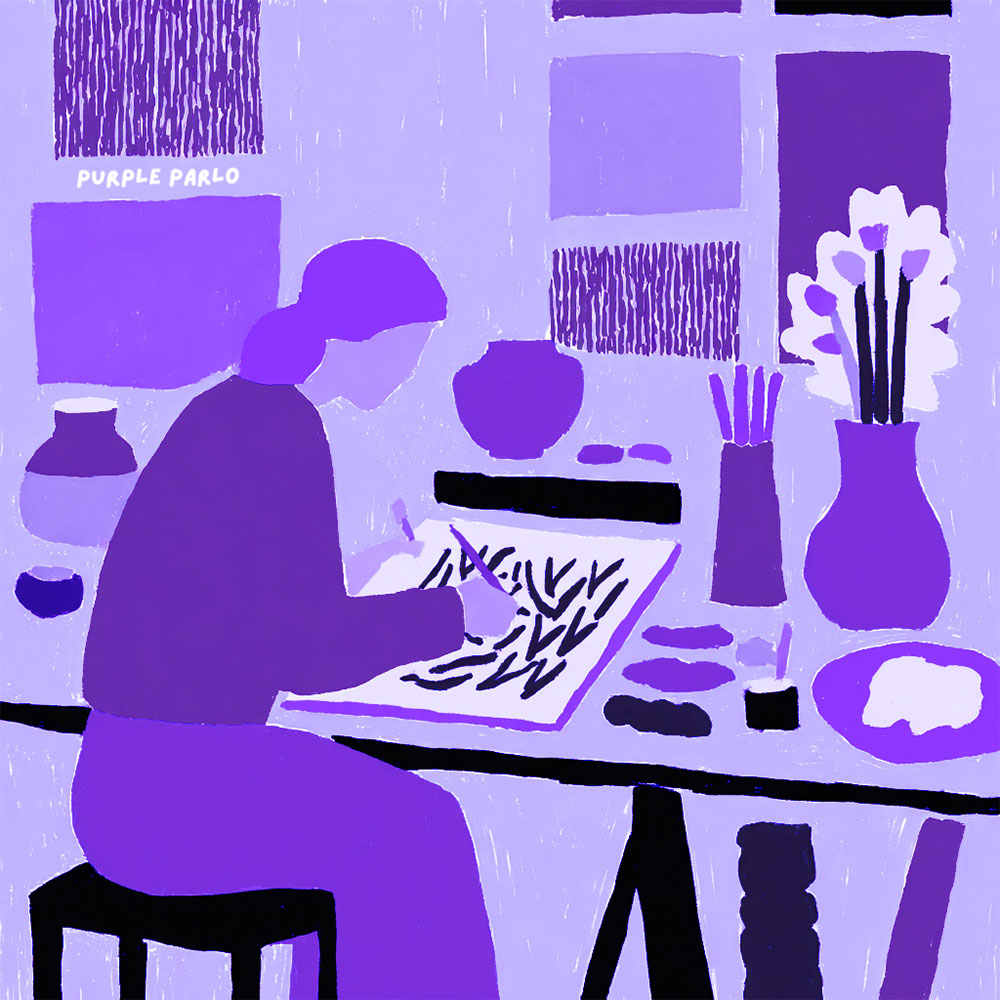
Holding opposites
Flexible thinking makes it easier to hold contradictions in one image: playful and heavy, strange and familiar, calm and intense. That tension is a core part of avant-garde illustration and of my own work. See Visual Storytelling: Designing with Dualities.
Ways to practise it
- Reverse the brief. Ask what the opposite image would look like, then find the middle.
- Change the viewer. Draw the idea as a child, an alien or a cat might see it.
- Swap the medium. Sketch in a material you don’t usually use.
- Combine two random references. Pick two unrelated words and draw them as one thing.
- Set constraints. Three colours only, or one continuous line.
Constraints sound limiting, but they push the brain to find new routes.
Why it matters for clients
Clients often come with a clear problem and a vague idea of the image. Flexible thinking lets an illustrator offer several different directions instead of three versions of the same idea. That’s especially valuable for sensitive topics, like mental health, where the obvious image is often a cliché. Research summarised by the American Psychological Association also links flexible thinking with creative problem solving.
Frequently asked questions
Can cognitive flexibility be learned?
Yes, to a degree. Regular practice with new perspectives and constraints helps.
Is it the same as creativity?
Not exactly. It’s one ingredient. Creativity also needs knowledge, skill and persistence.
See the results in my portfolio, or contact me for a project that needs fresh ideas.
Wish You a Purple Day!