
Neurodiversity in Art is not merely a hobby or a style; it is often a fundamental survival mechanism—a structured pathway for processing and translating an overwhelming world. The narrative surrounding neurodiversity is rapidly moving away from a focus on perceived deficits to recognize profound cognitive strengths. For the individual whose brain is wired differently, creative expression becomes a necessity. Art acts as a cognitive bridge, allowing the individual to externalize and process emotions that resist linguistic categorization.
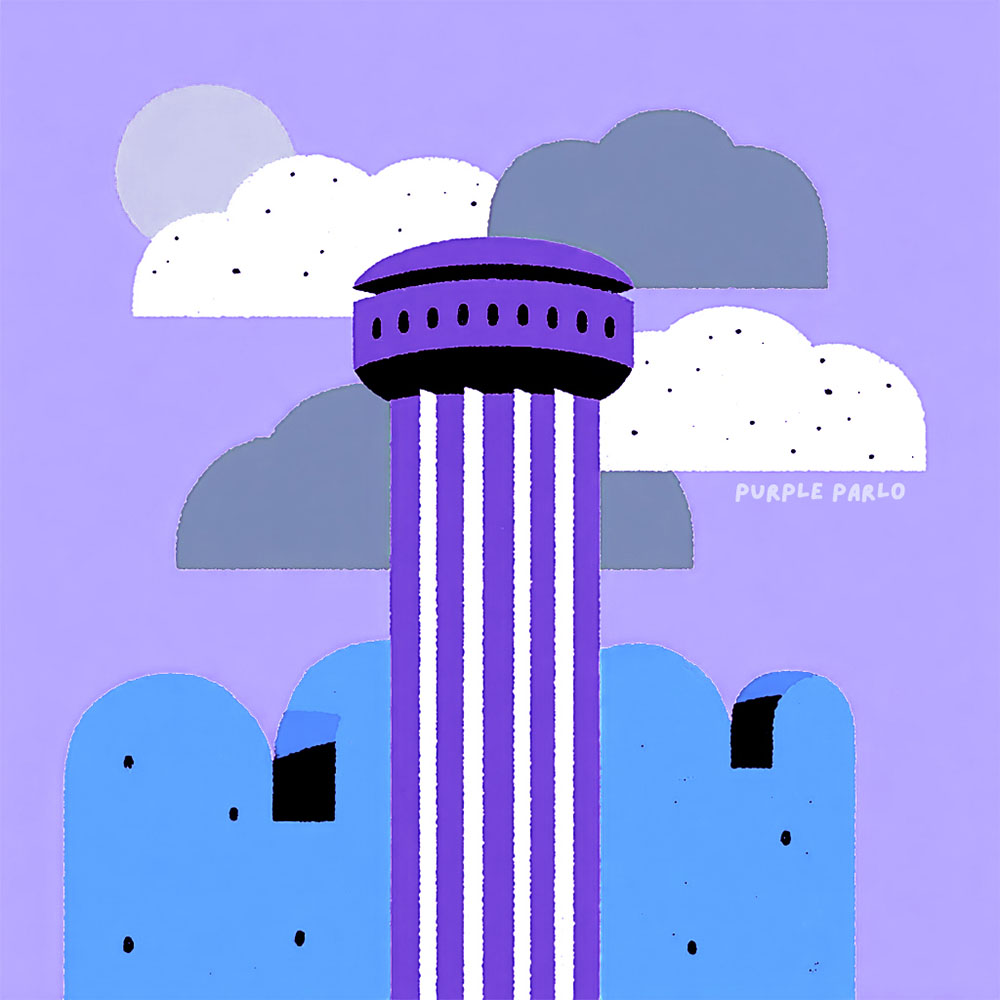
The Redefinition of Neurodiversity in Art
When internal experience is highly intense, chaotic, or difficult to articulate in conventional language, Neurodiversity in Art provides the required structure. This need for expression is deeply rooted in the search for validation and comprehension, transforming raw emotional material into something organized and meaningful. The creative potential inherent in neurodiversity arises because the neurodivergent brain processes information via alternative algorithms, leading to outside-the-box thinking and superior pattern recognition.
The most potent engine driving this process is often the Hyperfocus Superpower. This intense, task-bound absorption allows for extraordinary periods of deep, boundary-breaking artistic production. This capacity for deep work allows the artist to rapidly accumulate and execute detailed visualizations with microscopic precision. You can explore these detailed works in my Portfolio.
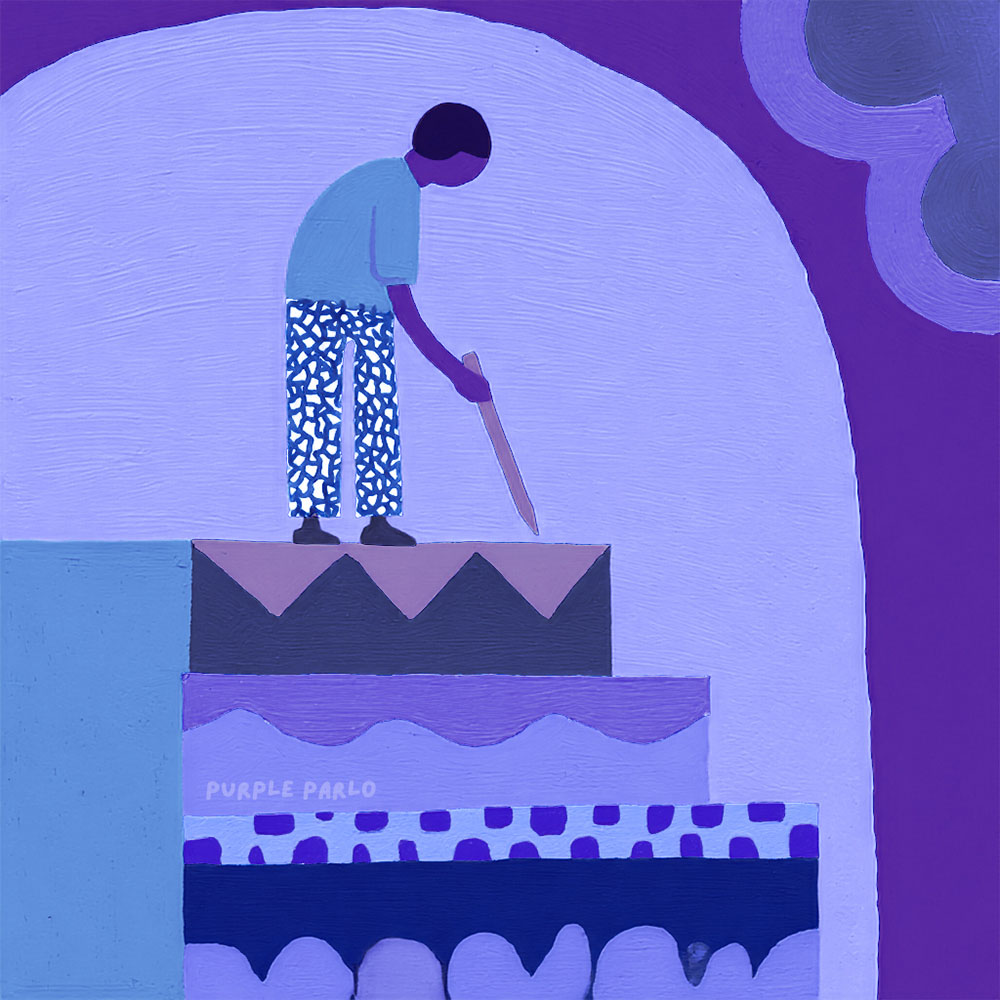
The Survival Mechanism: Art as Emotional Regulation
If creative expression is the output, then emotional regulation is the survival function it serves. The art process is a reliable tool for containing and managing overwhelming internal states. The feeling of being different or misaligned with mainstream norms—the Alien Perspective—is a common experience for neurodivergent individuals. Art provides a voice for this outsider perspective, transforming isolation into a shared philosophy of belonging. For those interested in the clinical side of neurodivergent support, visit ADHD Awareness for more resources.
The detail-obsessed nature of the illustrator is utilized here as a therapeutic tool for imposing structure onto internal chaos. Bold Minimalism acts similarly, transforming fragmented psychological complexity into organized, digestible information. If you’re looking for specialized illustration services that understand these nuances, please contact me today.
Wish You a Purple Day!